Monsoon Storm Damage Repair
Monsoon storm damage repair in Phoenix: we tarp, document and fix roofs hit by microbursts, haboobs and flying debris. Call (602) 878-3594.
Learn moreRoof Repair
Tile Roofing
Flat & Foam Roofing
Shingle & Metal Roofing
Replacement & Inspections
Solar, Vents & Extras
Phoenix neighborhoods
Valley cities
Counties
Desert Roof Guide
Monsoon storms bring wind, dust, hail and sudden downpours. This checklist covers what to look at on your roof before mid June and what to leave to a roofer.
By Lamar Baskin, Desert Roof Guide EditorUpdated June 9, 20266 min read
The short version
Before monsoon season starts on June 15, Phoenix homeowners should check for cracked or slipped tiles, worn flashing at walls and vents, clogged scuppers and gutters, thin coating on flat roofs and loose items that wind could lift. Look from the ground and inside the attic, not on the roof itself. Anything that needs repair is best handled in late spring, before roofers' schedules fill up with storm calls.
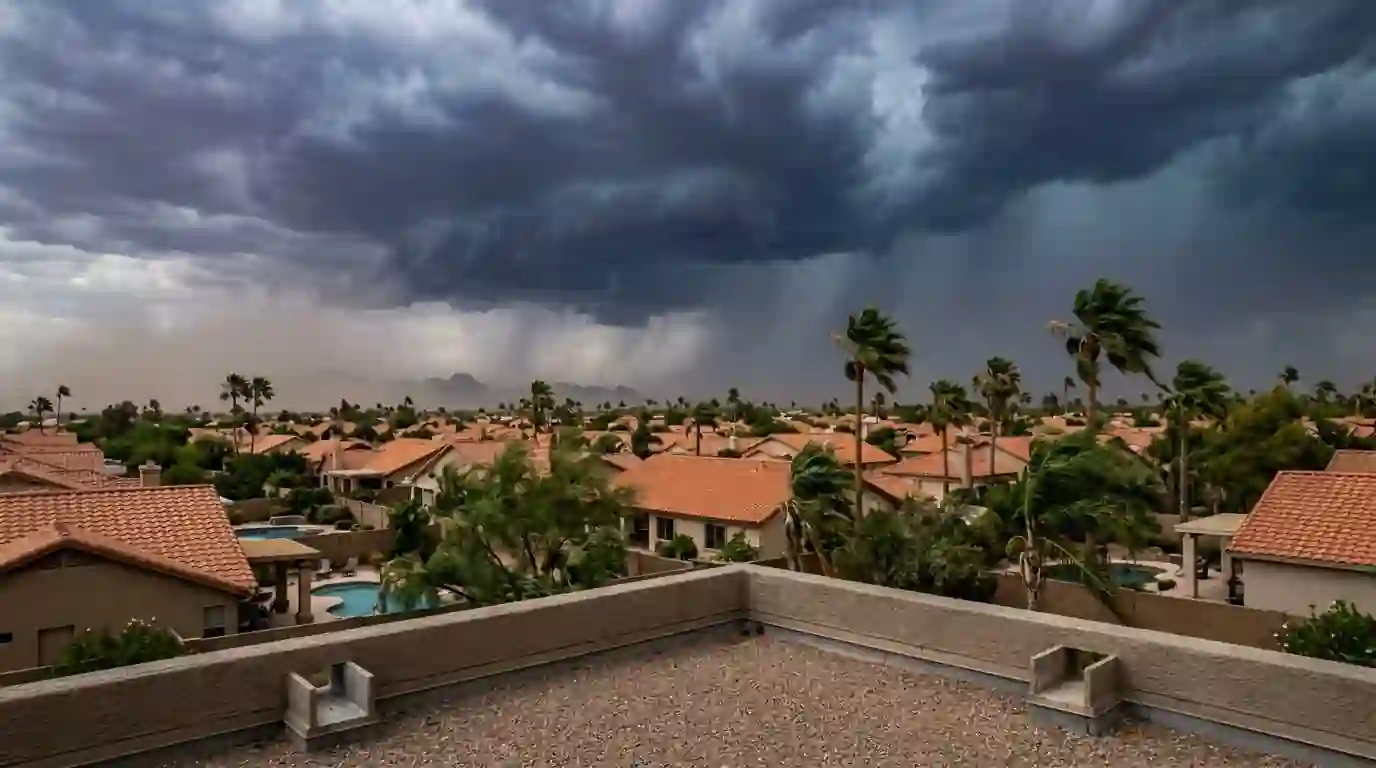
Monsoon season officially runs from June 15 to September 30, and it brings a mix of weather that's hard on roofs. Strong outflow winds lift loose tiles and shingles and drive rain sideways under flashing. Haboobs, the big dust storms, coat roofs and clog drains with fine grit. Then a storm cell parks overhead and dumps a lot of rain in a short time, sometimes with hail, testing every weak spot at once.
The roofs that leak during monsoon season usually had a small problem beforehand: a cracked tile, a dried-out sealant joint, a scupper half full of debris. A dry spring hides those problems because there's no rain to reveal them. The point of prepping is to find them while the weather is still calm.
You don't need to climb on the roof for most of this. In fact, we'd rather you didn't, since tile breaks underfoot and summer roofs are dangerously hot. A pair of binoculars, a walk around the house and a few minutes in the attic will tell you a lot.
Take photos of anything that looks off. If you call us later, those pictures help us figure out what to bring and where to look first.
Do the walk-around in the morning, when the light is low and the roof is still cool enough to look at comfortably. Shadows show slipped tiles and lifted shingle edges better than the flat glare of midday. Check every side of the house, including the narrow side yards most people skip, since those are often where a cracked tile or a clogged downspout has gone unnoticed for years.
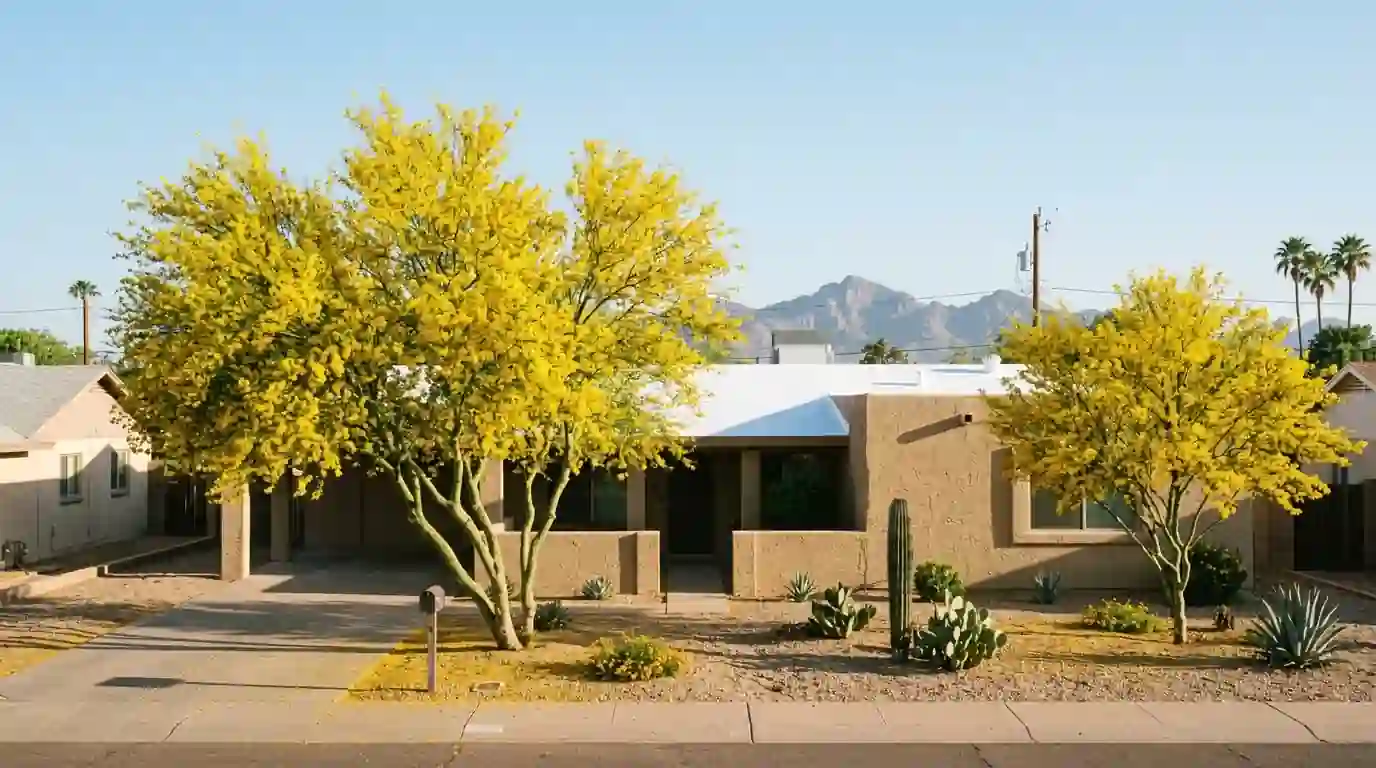
On a concrete or clay tile roof, a cracked or slipped tile is the visible problem, but the real risk is underneath. Monsoon rain pushed through a gap in the tile lands on the underlayment, which is what actually keeps water out of the house. If that underlayment is 20 years old or more, it may be brittle and cracked, and a storm will find every weak spot. That's why some tile roofs that look perfect still leak in July.
If your tile roof is past 20 years, consider a pre-season check that includes lifting a few tiles at eaves and valleys. Small fixes like replacing broken tiles are quick. If the felt itself is failing, our article on how long tile underlayment lasts explains what comes next.
Flat and low-slope roofs are common across the Valley, and their weak points are different. Water has to find its way to scuppers or drains, so anything that blocks them causes ponding. Dust from haboobs, leaves and debris from birds collect at the low spots and turn to sludge with the first storm. Clearing scuppers and drain screens before the season is one of the most useful things you can do.
Parapet walls are the other trouble spot. The cap on top and the flashing where the wall meets the roof take a beating from sun and wind, and cracks there let water run inside the wall. On foam roofs, check whether the coating is thin or worn through. If the surface looks chalky with tan foam showing, a recoat before monsoon season is worth scheduling. Our parapet wall repair page covers what we do when those joints have failed.
Roof-mounted equipment deserves a look as well. AC units, evaporative coolers and their curbs, along with vent pipes and solar mounts, all pierce the roof, and the sealant around them dries out in the heat. A curb that has shifted or a pipe boot that has cracked is an easy entry point for wind-driven rain. Make a note of anything that looks loose, and have it checked along with the drains.
Many Phoenix homes have partial gutters or none, and that can be fine. What matters is where the water ends up. During a heavy monsoon burst, a roof sheds a surprising amount of water in a few minutes. If it pours off a valley onto your front step, splashes against stucco or soaks the soil next to the slab, it can cause damage that has nothing to do with the roof leaking.
Clear any gutters and downspouts you have, make sure downspouts have extensions or splash blocks, and watch where water lands during the first storm. Grade matters as well. Soil or gravel that slopes toward the house sends runoff straight back to the foundation, so a few minutes with a rake can do as much good as new hardware. If you see a problem spot, adding a short gutter run over that area often fixes it without gutters around the whole house.
Call a roofer before the season if you find cracked or missing tiles, flashing gaps, worn coating on a flat roof, past leak stains or an older roof you haven't had looked at in years. Spring scheduling is easier than in August, when crews are booked with storm calls. We're reachable at (602) 878-3594 around the clock, and we'll tell you honestly whether something can wait.
If a leak starts during a storm, move belongings, put a bucket under the drip and, if the ceiling is bulging with water, carefully poke a small hole to let it drain into the bucket rather than letting the drywall give way. Stay off the roof until the storm passes, since wet tile is slick and lightning is common in monsoon cells. Once it's calm, take photos of the ceiling, the attic and anything on the ground that came off the roof, because those pictures help with repairs and with any insurance claim later. Our article on what to do after a monsoon leak walks through the night of the storm and the next morning.
Late March through early June is ideal. The weather is mild, roofs are safer to work on and crews aren't yet tied up with storm calls. Once the first big storms hit, demand jumps and repairs can take longer to schedule. Booking in spring also means any needed materials, like matching tile, can be found in time.
No. Tarps on a sound roof can trap heat, scuff tiles and blow loose in strong winds, becoming a hazard. Tarps are for emergency protection after damage, not prevention. If you're worried about a weak area, it's better to have it repaired properly before the storms start.
Yes. Strong haboob winds can lift loose tiles and shingles, blow debris onto the roof and pack fine dust into drains, gutters and the gaps between tiles. That dust then blocks drainage when the rain arrives. After a big dust storm, it's worth checking that drains and scuppers are still clear.
Monsoon storm damage repair in Phoenix: we tarp, document and fix roofs hit by microbursts, haboobs and flying debris. Call (602) 878-3594.
Learn morePhoenix roof inspections after monsoon storms, before buying or before solar: photos, attic checks and a plain written report. Call (602) 878-3594.
Learn moreRoof maintenance plans for Phoenix homes: a spring check before the heat and a post-monsoon visit to catch storm damage early. Call (602) 878-3594.
Learn more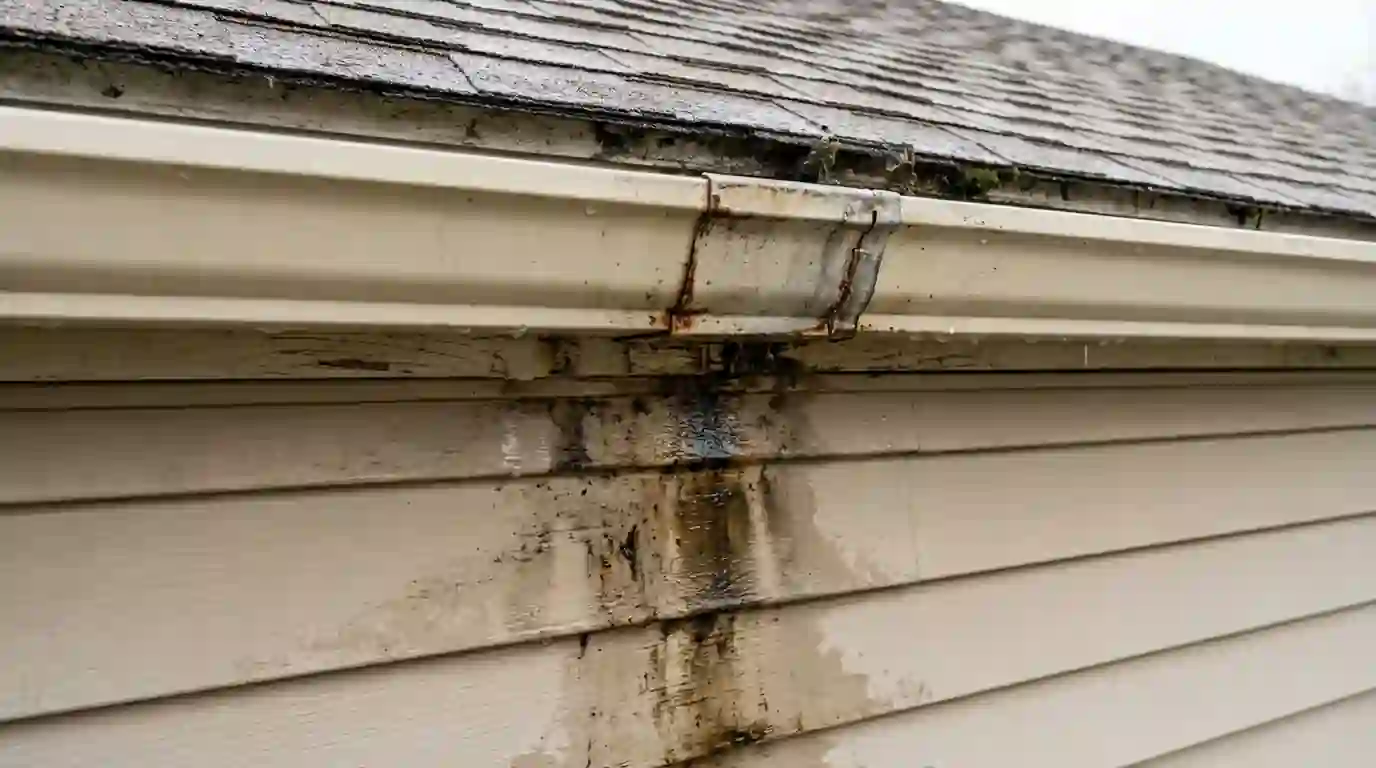
August 4, 2026
Most Valley neighborhoods with an HOA want to see your roof plans before work starts. Here is what architectural review committees usually ask for and how to get through it without losing weeks.
Read the guide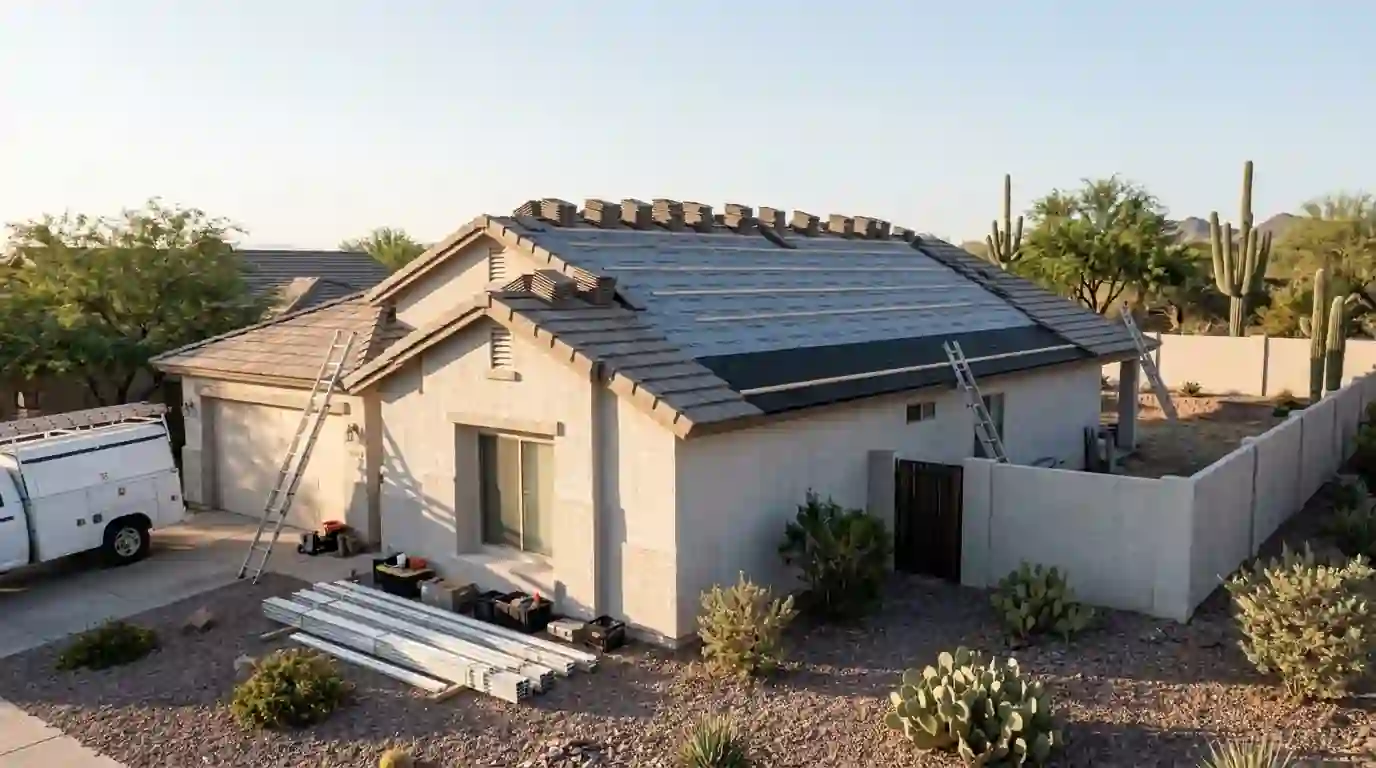
August 18, 2026
Solar panels sit on your roof for decades. If the roof under them has only a few good years left, fixing it first can save you a removal and reinstall bill down the road.
Read the guide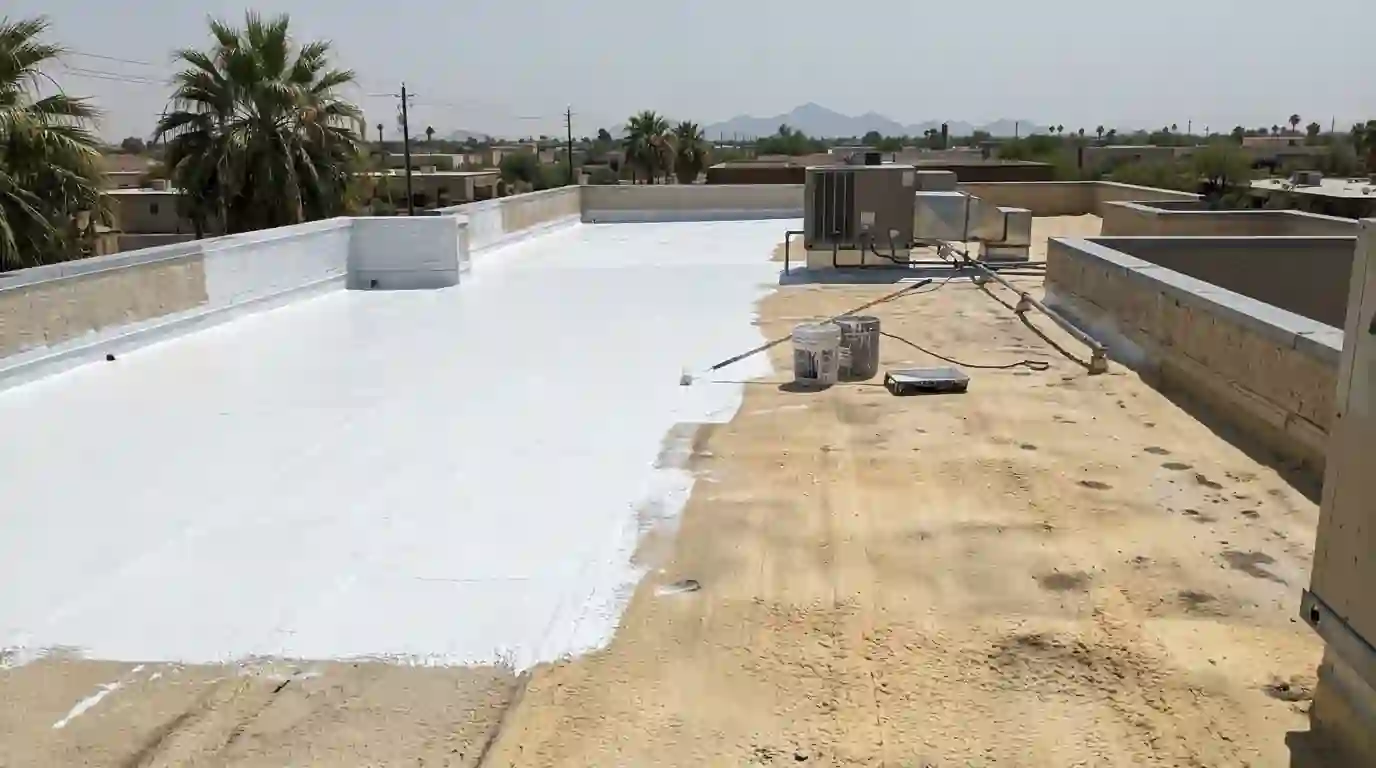
August 25, 2026
A bright white coating can make a flat roof far cooler to the touch in July. Whether it shows up on your power bill depends on your roof, your insulation and your ductwork.
Read the guideCall (602) 878-3594. We answer around the clock and can usually tell you over the phone whether it needs a visit.