Repair calls rising each year
When leak calls from residents climb year after year, the roofs are aging together and a planned program usually costs less than chasing leaks.
Roof Repair
Tile Roofing
Flat & Foam Roofing
Shingle & Metal Roofing
Replacement & Inspections
Solar, Vents & Extras
Phoenix neighborhoods
Valley cities
Counties
Replacement & Inspections
Roofing a whole community or apartment complex is a different job from roofing a single house. Boards need clear proposals, residents need notice, and buildings have to be phased so nobody is left exposed. We plan and complete HOA and multifamily roof projects across the Valley.
Short answer
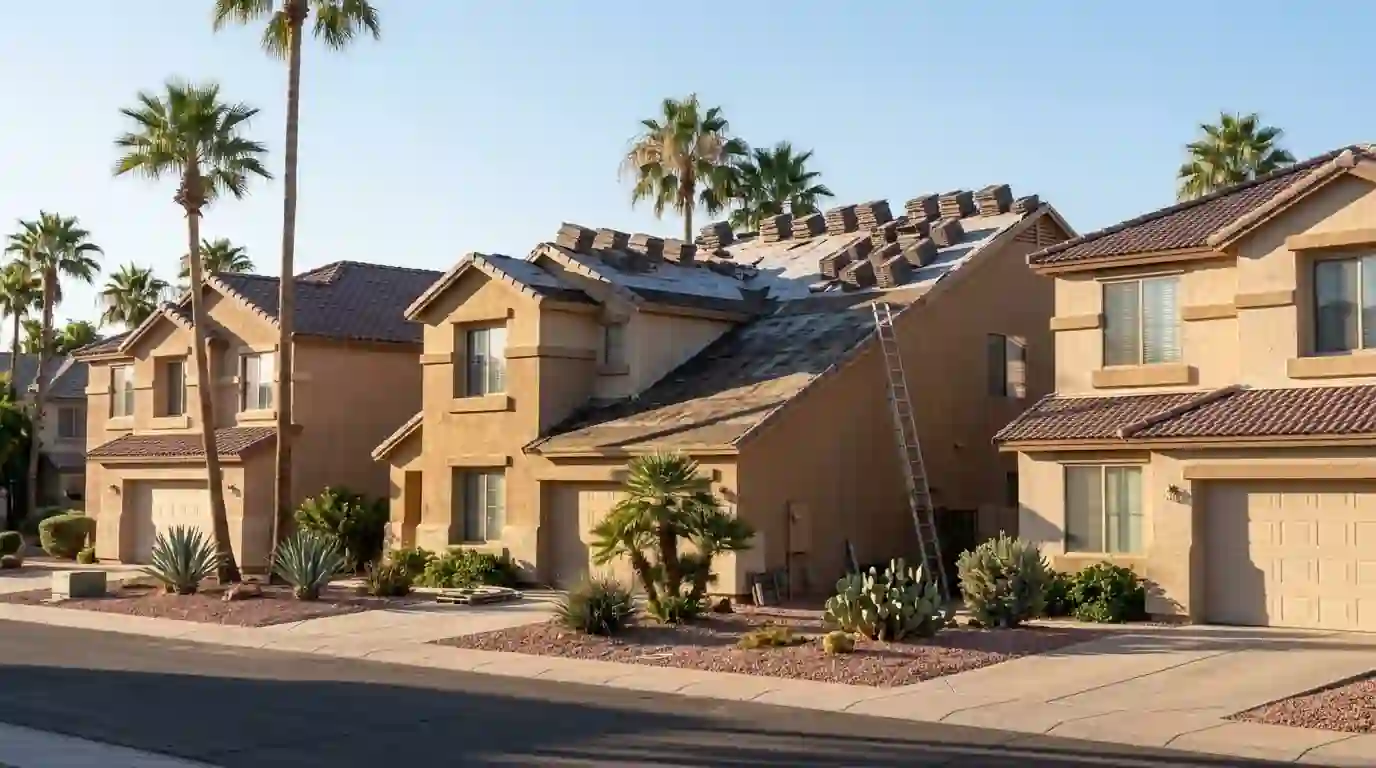
HOA and multifamily roofing in Phoenix covers condos, townhomes, apartments and community buildings managed by an association or owner. Projects usually involve a roof assessment, a board-ready proposal, phased scheduling building by building, resident and tenant notices, and coordination with managers and vendors. Material choices often follow community standards for color and profile, and reserve budgets shape the timing.
Materials we install and repair across the Valley
Boards need more than a single price. Our proposals start with a building-by-building assessment, with photos and condition notes for each roof. From there we lay out options, such as repairs now, a phased replacement over several years or a full program at once, with pricing for each. We describe materials, warranties offered by manufacturers and how the work will affect residents, so the board can compare apples to apples.
We also try to make the proposal easy to share with owners. Clear language, photos and a simple schedule help board members explain why the work is needed and how it will be paid for. Where community rules set colors or profiles, we match them, and our article on HOA roof approvals in the Phoenix area covers what architectural committees usually ask to see. We attend board meetings by request to answer questions.
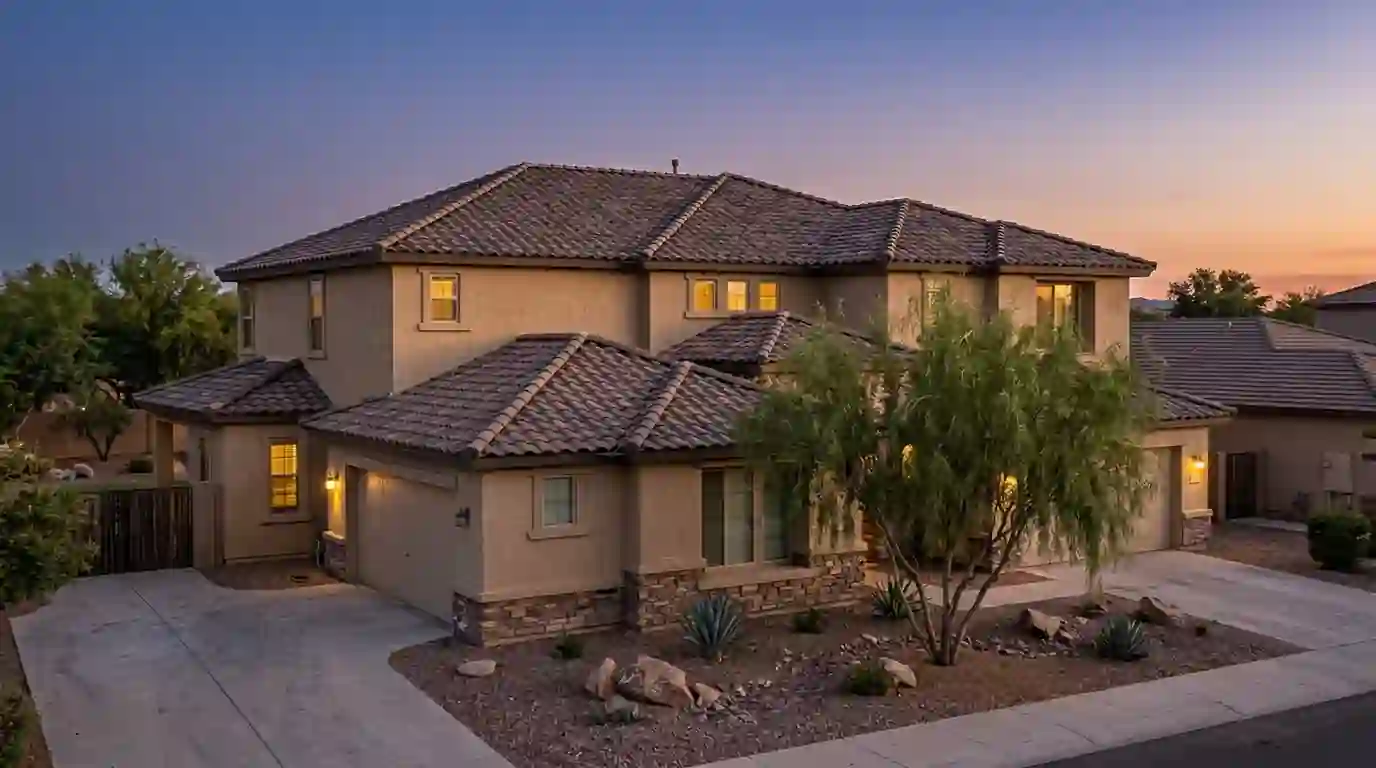
On full replacements we price the roof in more than one material when it helps, for example Eagle or Westlake Royal tile against GAF or CertainTeed shingles, so you can compare.
Phasing is what makes a community project run smoothly. We group buildings by roof type, age and location, then schedule them so crews move through the property in a logical order. Each building is dried in at the end of every workday, and we avoid opening more roof than can be closed before a monsoon storm. Material staging is placed to keep parking and walkways usable.
For tile communities, the usual approach is to lift and reset existing tiles over new underlayment, replacing broken pieces with matching tile. That keeps the community's look consistent and saves on material. Our underlayment replacement page explains the method. For flat-roof complexes, recoating foam roofs in groups is often the most cost-effective path. Communities in Chandler and Gilbert often mix both roof types.
Phasing also has to respect the budget calendar. Many boards prefer to complete the worst buildings first, then spread the rest across two or three fiscal years as reserves allow. We price each phase separately, hold material choices steady so later buildings match earlier ones, and keep a running condition log so buildings waiting their turn get small repairs that carry them until their phase begins. That keeps leak calls down while the program works through the property.
Residents and tenants put up with a lot during a roofing project: noise, parking changes and crews overhead. Clear notices make that much easier. We provide written notices for each building with dates, hours, parking changes and what residents should do, such as moving vehicles, taking items off walls near the roofline or securing pets. Managers can post or send them, and we update them if weather shifts the schedule.
We also coordinate access to attics, roof hatches and mechanical rooms through the property manager. For apartments, we work with management on tenant notices required by leases or local rules. During monsoon season we keep tarps staged on site, and if a storm hits, we respond quickly to any building still under work. Communities with solar on individual units need panel removal and reinstall coordinated with each owner.
One point of contact keeps all of this manageable. The board or manager gets a single person who knows the schedule, the open items and the status of every building, and who answers resident questions without passing them around. Weekly updates during active phases cover what finished, what is next and anything found under the old roofs, so nobody learns about a change from a crew member in the parking lot.
Most communities need roofing help long before every building fails. These are the signs a board or owner should start planning.
When leak calls from residents climb year after year, the roofs are aging together and a planned program usually costs less than chasing leaks.
A reserve study showing roofs near the end of their life is a signal to get real condition data and pricing before the budget is set.
Communities built with concrete tile often see underlayment wearing out across all buildings at once, roughly 20 to 25 years after construction.
Flat-roof complexes with foam need coating renewal on a regular cycle, and grouping buildings into one project usually lowers the unit cost.
A monsoon storm that damages several buildings at once calls for organized assessment, documentation and repair scheduling across the property.
Buyers and lenders look at roof condition in condo and townhome communities, and a documented roof plan helps sales move forward.
Typical range in the Phoenix area
$3.35 to $12.85
per sq ft of roof
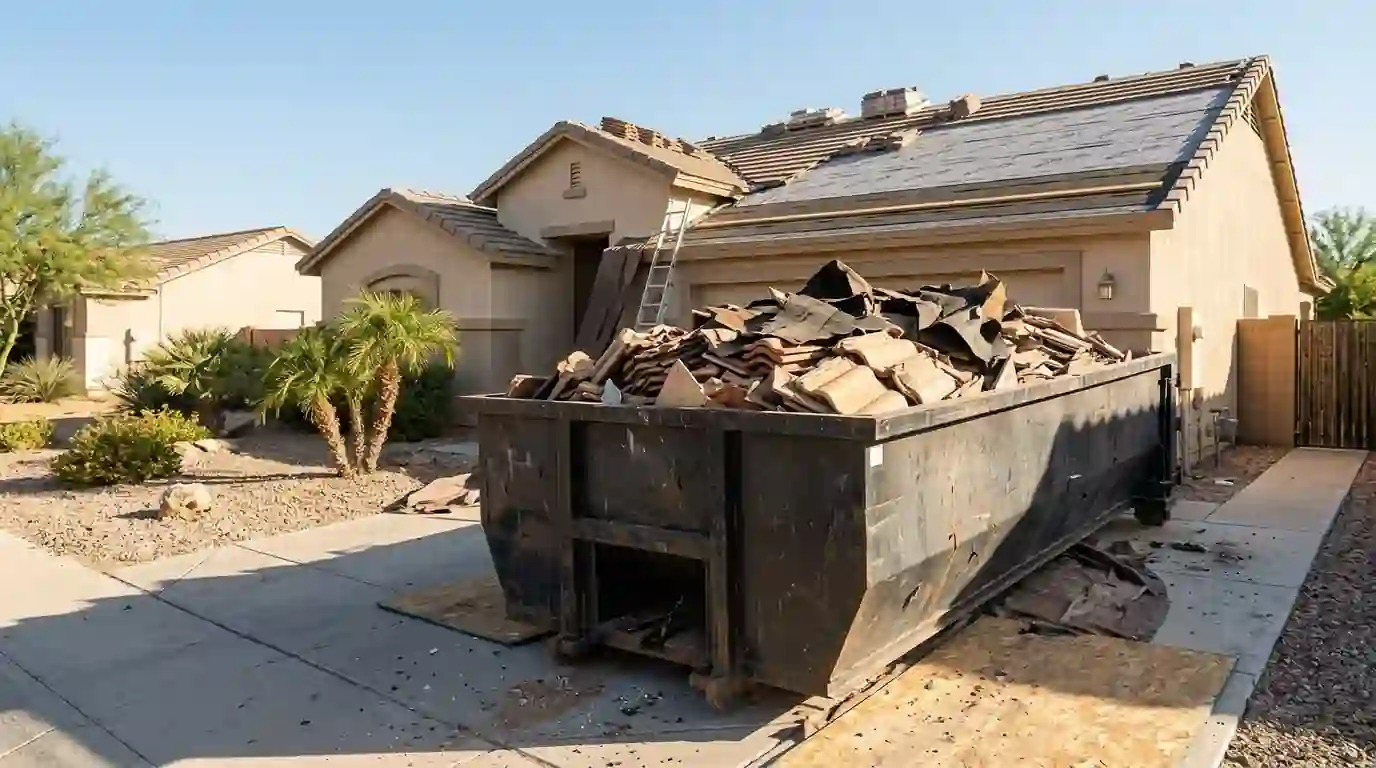
Community projects are priced per building or per square foot, and per-unit costs usually drop when buildings are grouped into one program. The range below covers typical work per square foot, from foam recoating at the low end to tile underlayment replacement and full re-roofs at the high end.
Ranges are typical figures for Valley homes, not a quote. We price your roof after we see it.
Call (602) 878-3594 any time. Tell us about the community, number of buildings, roof types and current concerns, and we set a site visit.
We inspect each roof, photograph its condition and note repairs or replacement timing so the board has real data to work from.
You receive a written proposal with options and pricing, and we attend a board meeting if requested to answer questions directly.
We handle permits where required, prepare resident notices and finalize the building-by-building schedule with the property manager and the board.
Crews work through the buildings in planned phases, drying in each one daily and keeping parking and walkways open where possible.
We provide photos, product documents and warranty registrations for each building, which help with future reserve studies, insurance reviews and unit sales.
Most of our hoa & multifamily roofing calls come from these parts of the Valley. We also cover every other area on our service area list, from Anthem and Cave Creek down to Casa Grande.
Most associations use reserve funds built up over years, guided by a reserve study. When reserves fall short, boards may phase the work, use a special assessment or arrange financing. Our proposals give realistic pricing and phasing options so boards can match the program to the funds they have.
Usually, yes. Resetting the existing tiles over new underlayment keeps the community's look unchanged. Broken tiles are replaced with matching or close-matching tile. If the original profile is discontinued, we look for the nearest match and can reserve salvaged tiles for repairs on other buildings.
We aim to give residents written notice well before work begins on their building, with dates, hours, parking changes and what to prepare. The exact timing depends on the community and any lease or HOA rules. Updated notices go out if weather or schedule changes shift the dates.
It depends on the community's governing documents. In many associations the HOA maintains roofs, while in others owners are responsible for their own unit's roof. Your CC&Rs and management company can confirm. We work with whichever party is responsible and document repairs for both.
Yes. After a monsoon storm we can assess every building, document damage with photos and dates, tarp urgent areas and prioritize repairs. That organized record helps the board and its carrier review the loss and plan repairs efficiently across the whole property.
Tiles fine but the felt under them is shot? We lift and relay Phoenix tile roofs with new two-ply or synthetic underlayment. Call (602) 878-3594 any time.
Learn moreFoam roof turning brown, blistered or pecked in Phoenix? We clean, patch and recoat before UV eats the foam. Call (602) 878-3594 any hour to set a visit.
Learn moreFull roof replacement in Phoenix for tile, shingle, foam and metal: tear-off decisions, permits, deck repair and clean job sites. Call (602) 878-3594.
Learn moreRoof maintenance plans for Phoenix homes: a spring check before the heat and a post-monsoon visit to catch storm damage early. Call (602) 878-3594.
Learn moreCall us any hour. A real person answers, asks a few questions about your roof and sets up a visit.