You love the tile look
If your HOA or your own taste calls for a barrel or flat-tile profile, stone-coated steel delivers that silhouette without the weight of concrete or clay.
Roof Repair
Tile Roofing
Flat & Foam Roofing
Shingle & Metal Roofing
Replacement & Inspections
Solar, Vents & Extras
Phoenix neighborhoods
Valley cities
Counties
Shingle & Metal Roofing
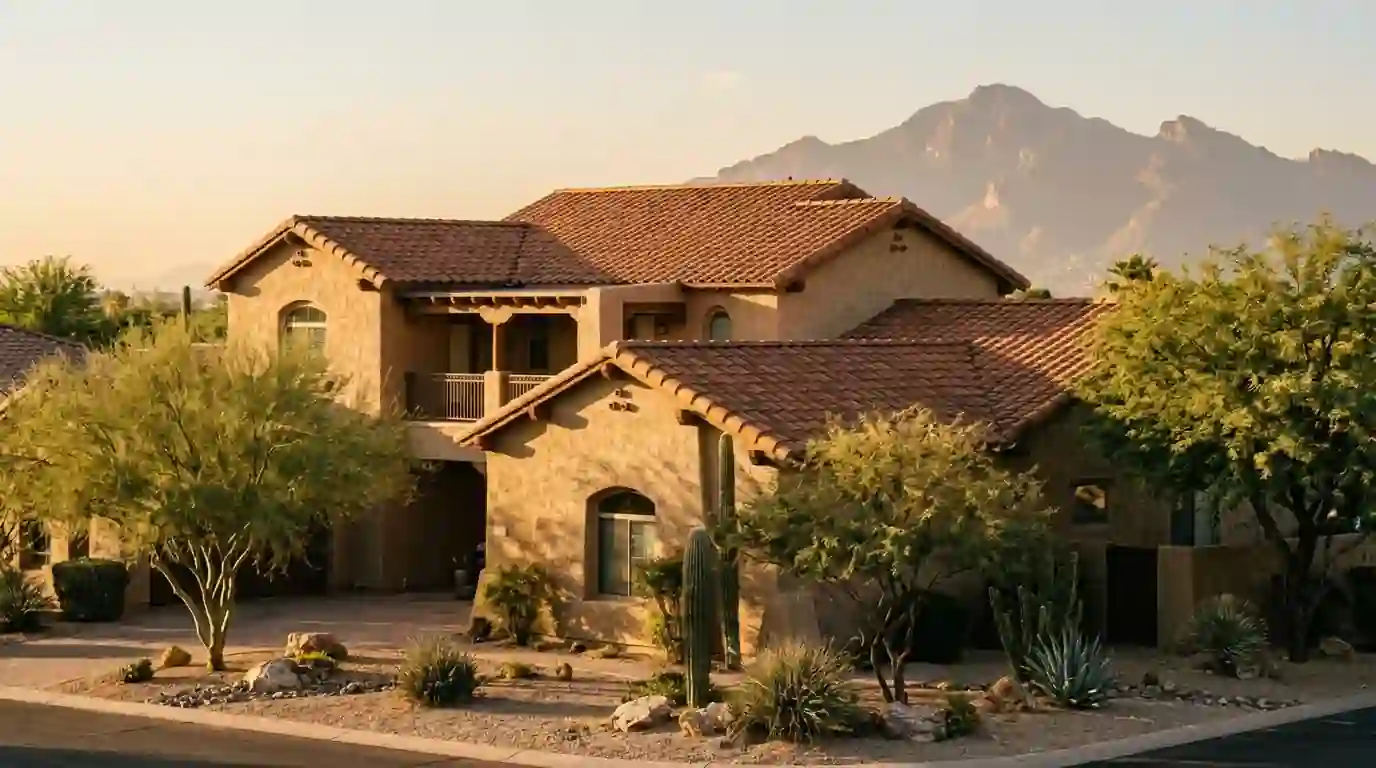
Stone-coated steel looks like tile, shake or shingle from the street, but underneath it is interlocking steel panels that weigh a fraction of concrete tile. For Valley homes that want a Southwest profile without the load, or that keep losing cracked tiles, it is a strong option we install often.
Short answer
Stone-coated steel roofing is steel panels coated with an acrylic base and baked-on stone granules, pressed into tile, shake or shingle profiles. In Phoenix it holds up well to UV because the stone shields the metal, it resists cracking under foot traffic and hail, and it weighs far less than concrete tile. It costs more than shingles but usually less than a full new clay tile roof.
Materials we install and repair across the Valley
Each panel starts as galvanized or aluminum-zinc coated steel. The maker presses it into a profile, such as a Spanish barrel, a flat shake or a dimensional shingle, then coats it with an acrylic base, embeds natural stone granules and seals the surface with a clear overglaze. The stone does two jobs: it gives the roof the texture and color variation of tile, and it shields the steel and the acrylic from the UV that ages most roofing products so quickly in Arizona.
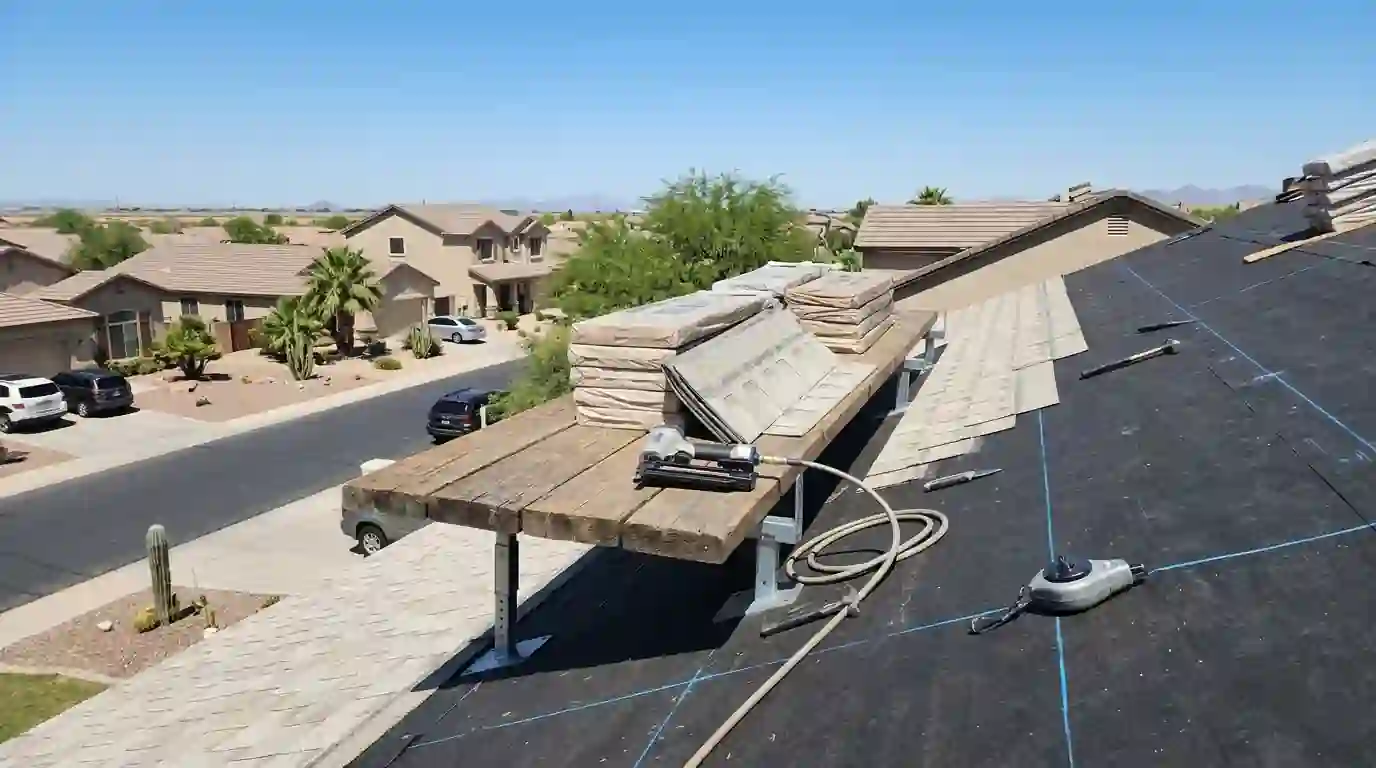
Panels are usually installed on wood battens over the deck, which creates a small air gap between the roof and the sheathing. In Phoenix that gap matters, because it lets heat escape before it reaches the attic. Panels lock to their neighbors on all four sides and fasten at the overlaps, so there are few exposed fasteners. The result is a roof about the weight of shingles that reads as tile to anyone walking past.
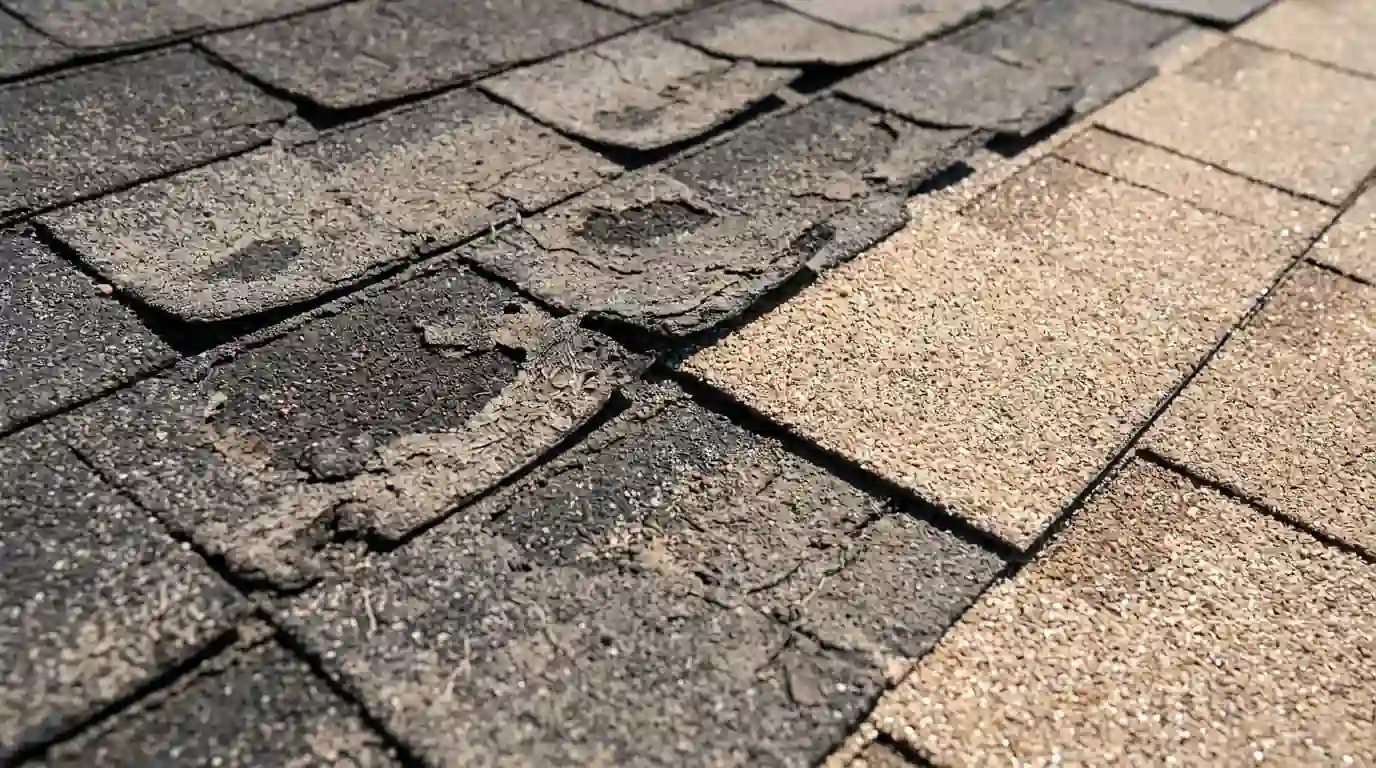
Our shingle and metal crews install GAF, Owens Corning, CertainTeed and Malarkey shingles, and stone-coated steel panels from DECRA when a homeowner wants metal with a tile look.
Concrete tile is the default roof across much of the Valley, and it lasts a long time on its own. The weak link is the underlayment under it, which commonly wears out in about 20 to 25 years in our heat and has to be replaced by lifting every tile. Stone-coated steel uses an underlayment too, but the batten system keeps it cooler and drier, and you are not working around thousands of brittle tiles when service is needed. Our page on concrete tile roofing covers the other side of that comparison.
Weight is the other difference. Concrete tile can run several times heavier than stone-coated panels, which is why switching a shingle house to tile sometimes needs an engineer and new framing. Going the other way, from tile to stone-coated steel, takes significant load off older rafters. Clay tile still wins on pure longevity of the surface, and some historic districts insist on it, but for most homeowners stone-coated steel is the practical middle ground.
Most problems trace back to installers treating these panels like shingles. Batten layout has to match the panel's exposure exactly, or the interlocks will not seat and the roof will not shed monsoon rain. Valleys, hips and wall transitions need the manufacturer's trim pieces, not bent flashing improvised on site. And cut edges must be sealed with touch-up coating, or they will rust slowly and stain the stone below. We follow the maker's details on every one of those points.
Color selection is the other trap. Stone-coated lines come in many blends, and a sample the size of your hand looks very different from a whole roof in Arizona sun. We bring full panels to the site and set them against your stucco before you choose. If your community has an architectural committee, our article on getting HOA roof approval explains what boards usually ask for. Many owners in Paradise Valley and north Scottsdale pick shake profiles for a softer, ranch-style look.
This roof sits between shingles and tile in price and look. These are the homes where it tends to make the most sense.
If your HOA or your own taste calls for a barrel or flat-tile profile, stone-coated steel delivers that silhouette without the weight of concrete or clay.
Homes where every solar tech, cable installer or AC visit leaves broken tiles behind benefit from panels that flex under foot traffic instead of snapping.
Older homes framed for shingles often cannot take concrete tile without added framing, while stone-coated panels add only a modest load to the roof.
Interlocking panels fastened at the overlaps hold tight in monsoon gusts, and the stone surface hides minor hail dents better than smooth metal finishes.
Homes near desert brush in the foothills gain a noncombustible steel roof surface while keeping a traditional textured look from the street.
Owners planning to stay a long time get a roof that will not curl, shed asphalt or need underlayment replaced on the same short cycle as tile.
Typical range in the Phoenix area
$11.35 to $17.85
per sq ft of roof
Stone-coated steel is priced per square foot of roof and usually lands above architectural shingles and below new clay tile. Simple gable roofs with one profile sit at the low end, while cut-up roofs with many hips, valleys and wall transitions sit near the top of the range.
Ranges are typical figures for Valley homes, not a quote. We price your roof after we see it.
Call (602) 878-3594 any time. Tell us about the current roof and the look you want, and we schedule a visit to measure and check the structure.
We measure the roof, look at the deck and rafters from the attic, and confirm the batten layout and trim pieces the chosen profile needs.
You pick barrel, shake or shingle profile and a stone blend using full-size panels on site, and we prepare any HOA submittal paperwork.
We file the re-roof permit where required, order panels and matching trim, and schedule crews so the house is never left open overnight.
We strip the old roof, repair the deck, lay underlayment, set battens, then install panels, ridge, hip and valley trim with sealed cut edges.
We walk the roof, touch up any scuffed stone, pass the city inspection and register the manufacturer warranty when the product line offers it.
Most of our stone-coated steel roofing calls come from these parts of the Valley. We also cover every other area on our service area list, from Anthem and Cave Creek down to Casa Grande.
Generally no. The stone granules break up raindrop impact, and the battens, underlayment, deck and attic insulation all damp the sound. Most owners say it sounds much like a tile roof in a monsoon downpour. It is noticeably quieter than bare exposed-fastener metal over open framing, such as a carport or barn.
Some loose granules shed in the first year or two, which is normal and expected. After that the stone stays put for a long time because it is embedded in the acrylic base and sealed with an overglaze. Unlike asphalt shingles, the granules are not protecting a material that breaks down quickly in UV.
Yes, with care. Panels are designed to handle foot traffic when you step on the low parts of the profile, near the batten lines. That is a big advantage over concrete and clay tile, which crack easily. Soft-soled shoes help, and we show owners and solar techs the right walking path on their roof.
Often, but not always. Many Valley HOAs approve stone-coated steel in tile profiles because it looks the same from the street, while some boards specifically require concrete or clay. We prepare color samples, product data and profile drawings for your submittal so the committee can see exactly what will go on the roof.
Interlocking panels fastened at the overlaps resist wind uplift well, and the closed profile keeps most dust out of the batten space. Fine dust settles on the stone surface after a haboob, but monsoon rain usually rinses it off. A light rinse once a year keeps the color looking fresh between storms.
Standing seam and screw-down metal roofs for Phoenix homes, with reflective finishes that hold up to desert UV and monsoon wind. Call (602) 878-3594.
Learn moreNew concrete tile roof for your Phoenix home: two-ply underlayment, raised battens, bird stops and HOA-approved colors. Call (602) 878-3594 any time.
Learn moreFull roof replacement in Phoenix for tile, shingle, foam and metal: tear-off decisions, permits, deck repair and clean job sites. Call (602) 878-3594.
Learn moreTiles fine but the felt under them is shot? We lift and relay Phoenix tile roofs with new two-ply or synthetic underlayment. Call (602) 878-3594 any time.
Learn moreCall us any hour. A real person answers, asks a few questions about your roof and sets up a visit.