Switching from shingle or foam
Homeowners replacing worn asphalt shingles often move to tile for longer life and better heat performance. We confirm the framing can carry the extra weight first.
Roof Repair
Tile Roofing
Flat & Foam Roofing
Shingle & Metal Roofing
Replacement & Inspections
Solar, Vents & Extras
Phoenix neighborhoods
Valley cities
Counties
Tile Roofing
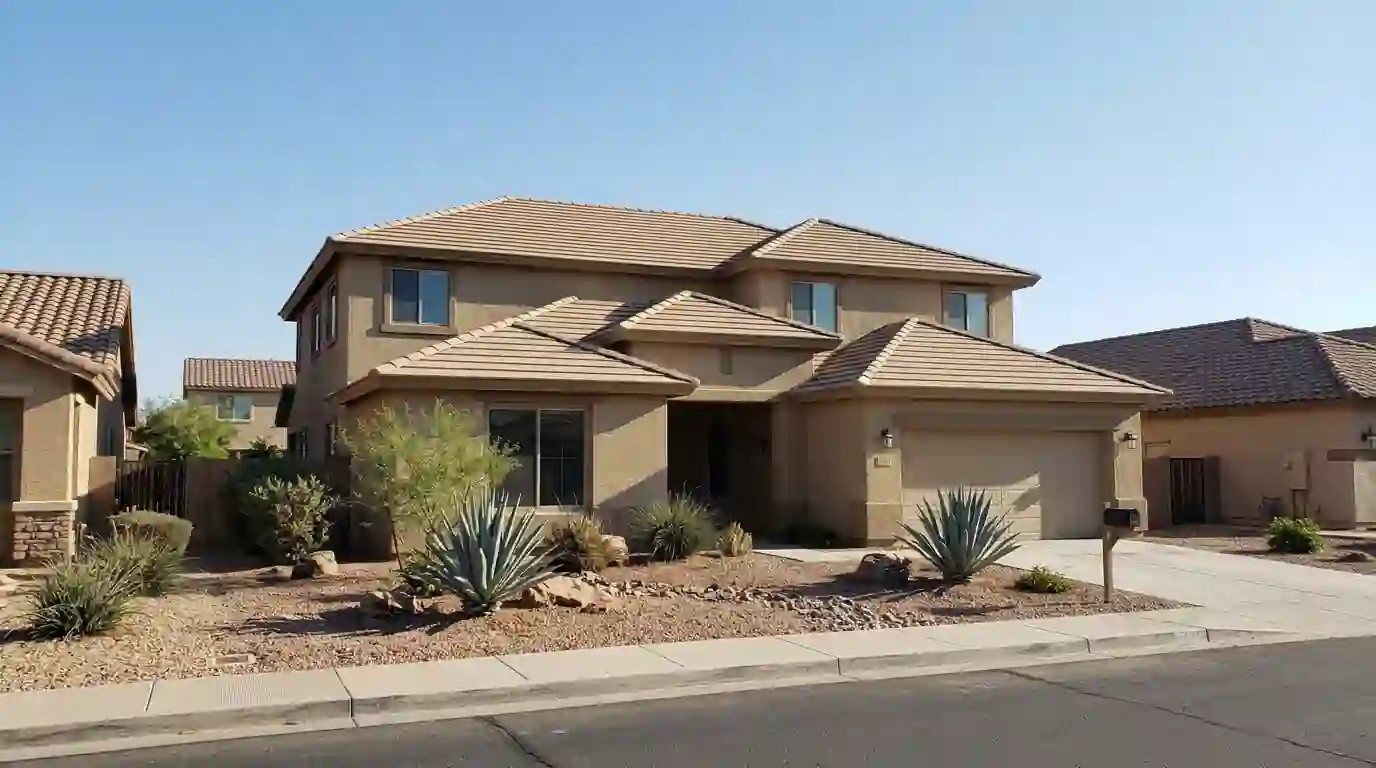
Concrete tile is the default Valley roof for a reason. It shrugs off sun, it handles monsoon wind when fastened right, and it comes in the colors most HOAs approve. We install complete concrete tile systems with underlayment built to last as long as the tile does.
Short answer
A new concrete tile roof in Phoenix includes tear-off, deck repairs, a high-temperature underlayment (two-ply or synthetic), battens, flashing, bird stops and the tile itself. Concrete tile can last 50 years or more, so the underlayment choice decides when the roof will need major work again. Most installs on single-family homes take one to two weeks and need a city permit and often HOA approval.
Materials we install and repair across the Valley
Concrete tile itself is rarely why a Phoenix roof fails. The tile is cast from sand, cement and pigment, and it simply sits there taking sun for decades. The weak point has always been the underlayment beneath it. On a new install we size that layer to the tile: a two-ply system with a heavy base and cap sheet, or a premium synthetic rated for tile and high deck temperatures, chosen based on pitch.
We also pay attention to the details that older installs skipped. Raised or segmented battens let water drain under the tile instead of pooling behind a solid strip of wood. Bird stops close off the open ends at the eave. Valleys get wide metal with a center crimp, and every wall and chimney gets proper pan and counter flashing. These are small line items that separate a 20-year roof from a 40-year one.
We also plan for what will sit on the roof later. If solar is in your future, we can lay out the tile so mounts land on rafters and flash attachment points into the new underlayment during the install, rather than cutting through a finished roof months afterward. Rooftop AC units get a defined walking path of reinforced tile or pavers so service techs stop cracking the field tile every summer. Small decisions now, made with the next 30 years in mind, save a long list of repair calls.
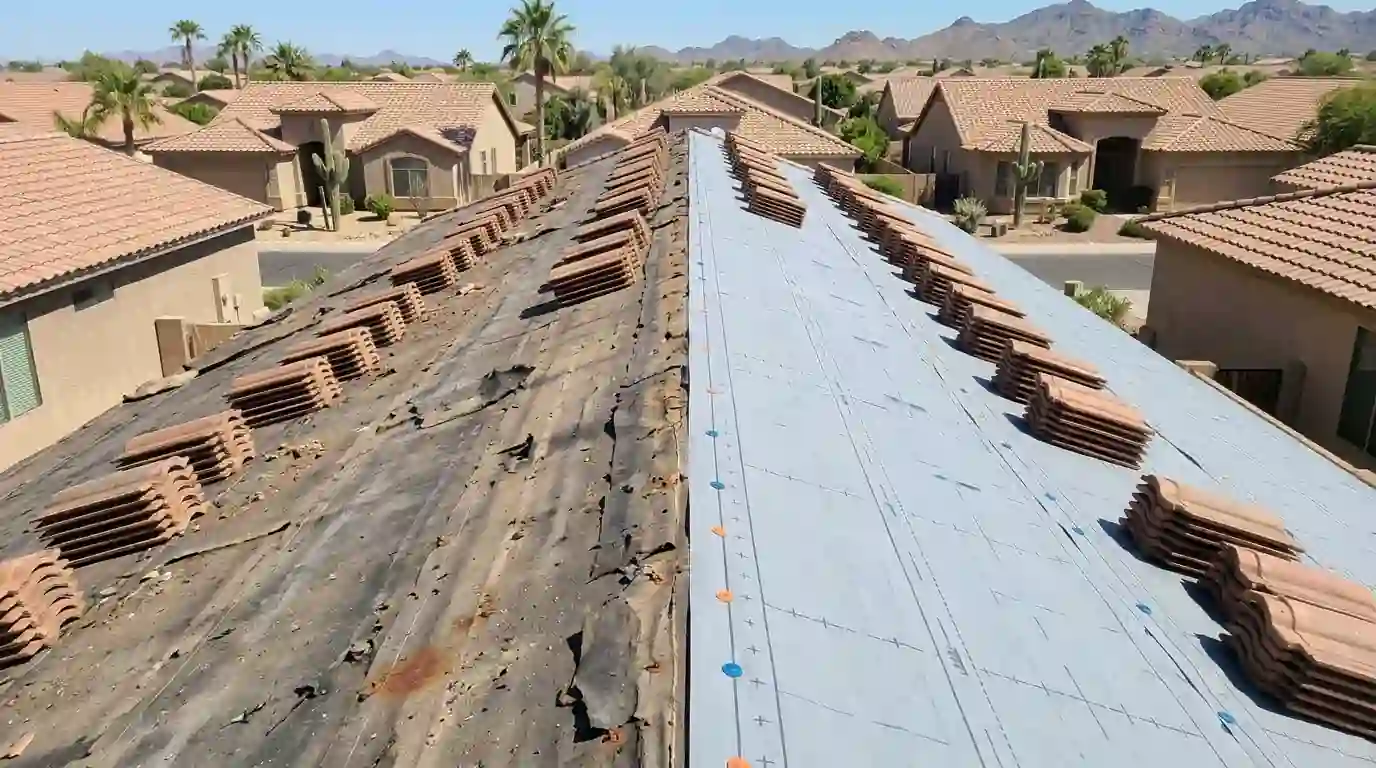
For tile work we source concrete tile from Eagle Roofing and Westlake Royal when a profile is still made, and we lay synthetic or two-ply underlayment from makers such as Polyglass under it.
Concrete tile comes in flat profiles that read as slate or shake, low S profiles with a gentle wave, and high S or barrel profiles that give the classic Spanish look common across Scottsdale, Gilbert and Chandler. Color runs from earthy reds and browns to sandy blends and charcoal. Lighter colors reflect more sun and can reduce attic heat noticeably on west-facing slopes.
Most master-planned communities in the Valley keep a list of approved tile colors and profiles. We help you find the overlap between what you like and what the HOA allows, and we prepare the product data most architectural committees ask for. If you want to compare tile against other options first, our guide to tile, shingle and foam in Valley heat covers the trade-offs plainly.
Concrete tile weighs far more than shingle, roughly 9 to 12 pounds per square foot installed. Homes built for tile handle that easily. Homes switching from shingle may need an engineering review and sometimes added framing support, and we flag that during the first visit rather than after demolition starts. Going the other way, from tile to something lighter, is also an option on homes where weight has caused sagging over the years, and we will tell you if we see signs of it in the attic.
Monsoon gusts lift poorly fastened tile, especially at eaves, rakes and ridges. We fasten to the manufacturer's wind requirements, which in exposed areas means clips or extra fasteners on perimeter courses. Ridges and hips go on with mortar or a dry ridge system with a ventilated cap. If your existing tile is still solid and you only need the base replaced, compare this page with our lift-and-relay option, which costs considerably less.
Not every tired roof needs new tile. These are the situations where installing fresh concrete tile makes more sense than repairing or relaying what you have.
Homeowners replacing worn asphalt shingles often move to tile for longer life and better heat performance. We confirm the framing can carry the extra weight first.
Some early concrete tiles from the 1970s and 1980s have eroded, become porous or crack easily. Relaying them would put weak tile back on a new base.
Some communities update approved palettes. If your tile color is no longer allowed or available, a full replacement solves matching for good.
After years of foot traffic, hail or poor repairs, a roof with widespread cracked tile costs more to piece together than to replace.
Adding a room or casita is a good moment to re-roof the whole house so the new section ties in cleanly and matches.
If you expect to stay put, a fresh tile roof on modern underlayment can carry you past the point where you need to think about the roof again.
Typical range in the Phoenix area
$11.40 to $17.80
per sq ft of roof area installed
New concrete tile is a bigger investment than shingle but usually less than clay. Pricing tracks roof size, profile, underlayment choice and how much of the existing roof has to come off. These are typical 2026 Valley ranges for a full tear-off and install.
Ranges are typical figures for Valley homes, not a quote. We price your roof after we see it.
Phone (602) 878-3594 and tell us about the house, the current roof and any HOA rules. We schedule a time to measure and look at the attic framing.
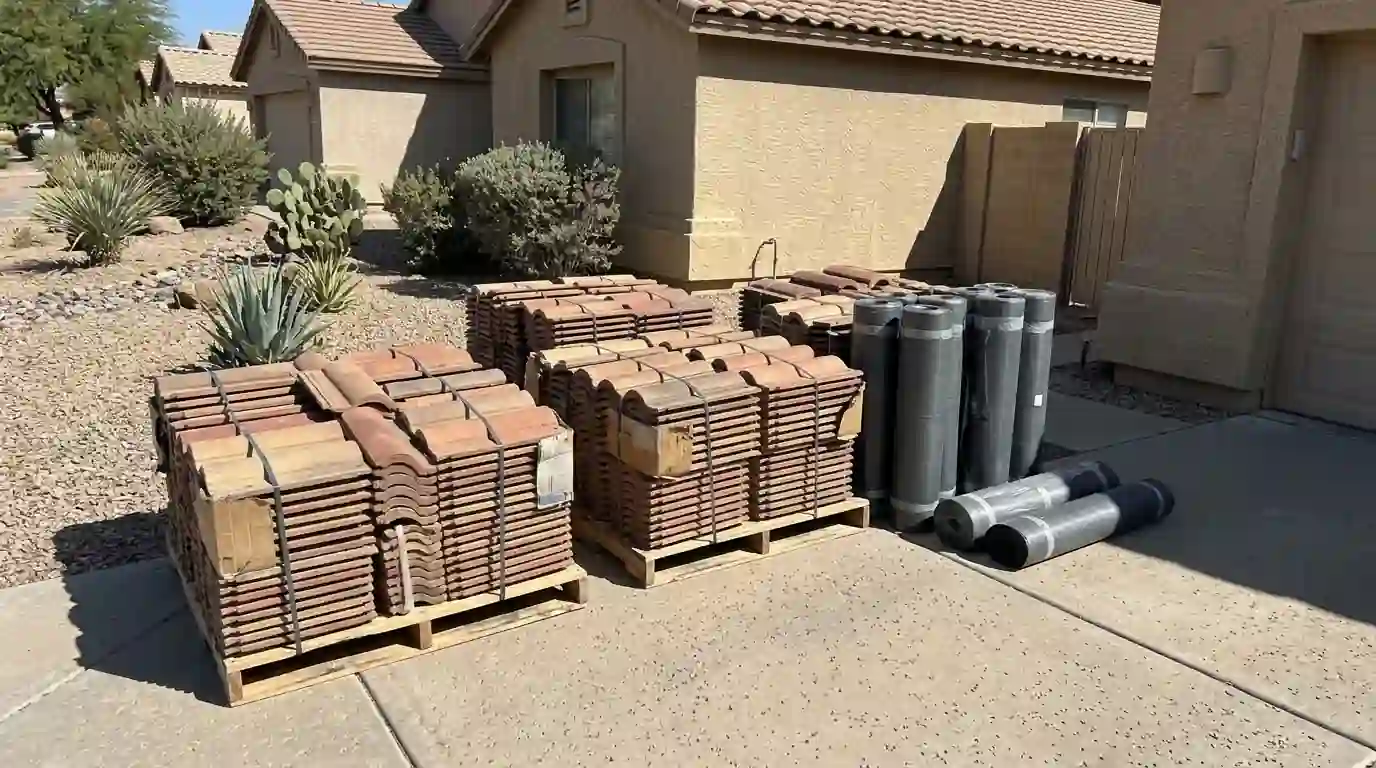
We measure every plane, check the structure, and bring sample tiles and underlayment options so you can choose with real product in hand.
We assemble HOA submittal details if needed and pull the city permit, then order tile and materials to arrive just before tear-off.
The old roof comes off, the deck is repaired, and new underlayment and flashing go on. The house is dried in before tile ever arrives on the roof.
Battens and bird stops go on, tile is loaded evenly across the roof, then laid and fastened to wind requirements with ridges and hips finished last.
We pass city inspections, magnet-sweep the yard for nails, haul debris, and give you photos plus the manufacturer details for the tile and underlayment.
Most of our concrete tile roofing calls come from these parts of the Valley. We also cover every other area on our service area list, from Anthem and Cave Creek down to Casa Grande.
The tile itself commonly lasts 50 years or more. The underlayment is what sets the real service life. Old 30 lb felt tends to wear out around 20 to 25 years here. A modern two-ply or high-temperature synthetic underlayment stretches that interval considerably.
Many can, but not all. Concrete tile adds several pounds per square foot over shingle. We check rafter size, spacing and spans in the attic, and when needed we bring in an engineer to confirm or specify added support before the switch.
Lightweight tile can make a shingle to tile conversion possible without framing work. It is a bit more fragile under foot, which matters around AC units and solar. For homes built for standard tile, we usually suggest standard weight for its durability.
Lighter and cool-rated tile colors reflect more solar heat, which lowers deck and attic temperatures, especially on west and south slopes. The effect on your bill depends on insulation and attic ventilation, which we look at during the same visit.
We can flash solar attachment points into the new underlayment during installation, which is the cleanest way to do it. We coordinate with your solar installer on layout so mounts land on rafters and tile around them is cut and flashed properly.
Tiles fine but the felt under them is shot? We lift and relay Phoenix tile roofs with new two-ply or synthetic underlayment. Call (602) 878-3594 any time.
Learn moreClay tile roofing for Phoenix homes: true barrel and S tile, careful mortar work and fragile tile handled right. Call (602) 878-3594 any day.
Learn moreFull roof replacement in Phoenix for tile, shingle, foam and metal: tear-off decisions, permits, deck repair and clean job sites. Call (602) 878-3594.
Learn morePhoenix attics can top 140 F to 150 F in summer. We balance intake and exhaust vents and add radiant barrier to cut heat load. Call (602) 878-3594.
Learn moreCall us any hour. A real person answers, asks a few questions about your roof and sets up a visit.