Concrete Tile Roofing
New concrete tile roof for your Phoenix home: two-ply underlayment, raised battens, bird stops and HOA-approved colors. Call (602) 878-3594 any time.
Learn moreRoof Repair
Tile Roofing
Flat & Foam Roofing
Shingle & Metal Roofing
Replacement & Inspections
Solar, Vents & Extras
Phoenix neighborhoods
Valley cities
Counties
Desert Roof Guide
Concrete tile, asphalt shingle and sprayed foam all work in the Valley, but they age in very different ways. Here is how we help Phoenix homeowners choose between them.
By Lamar Baskin, Desert Roof Guide EditorUpdated July 28, 20266 min read
The short version
For a pitched roof in Phoenix, concrete or clay tile usually gives the longest service life, as long as the underlayment beneath it gets replaced on schedule. Asphalt shingles cost less up front but age faster under Valley UV. Sprayed foam is the standard answer for flat and low-slope roofs, with a recoat every 5 to 10 years. Roof shape, budget and HOA rules usually decide the rest.
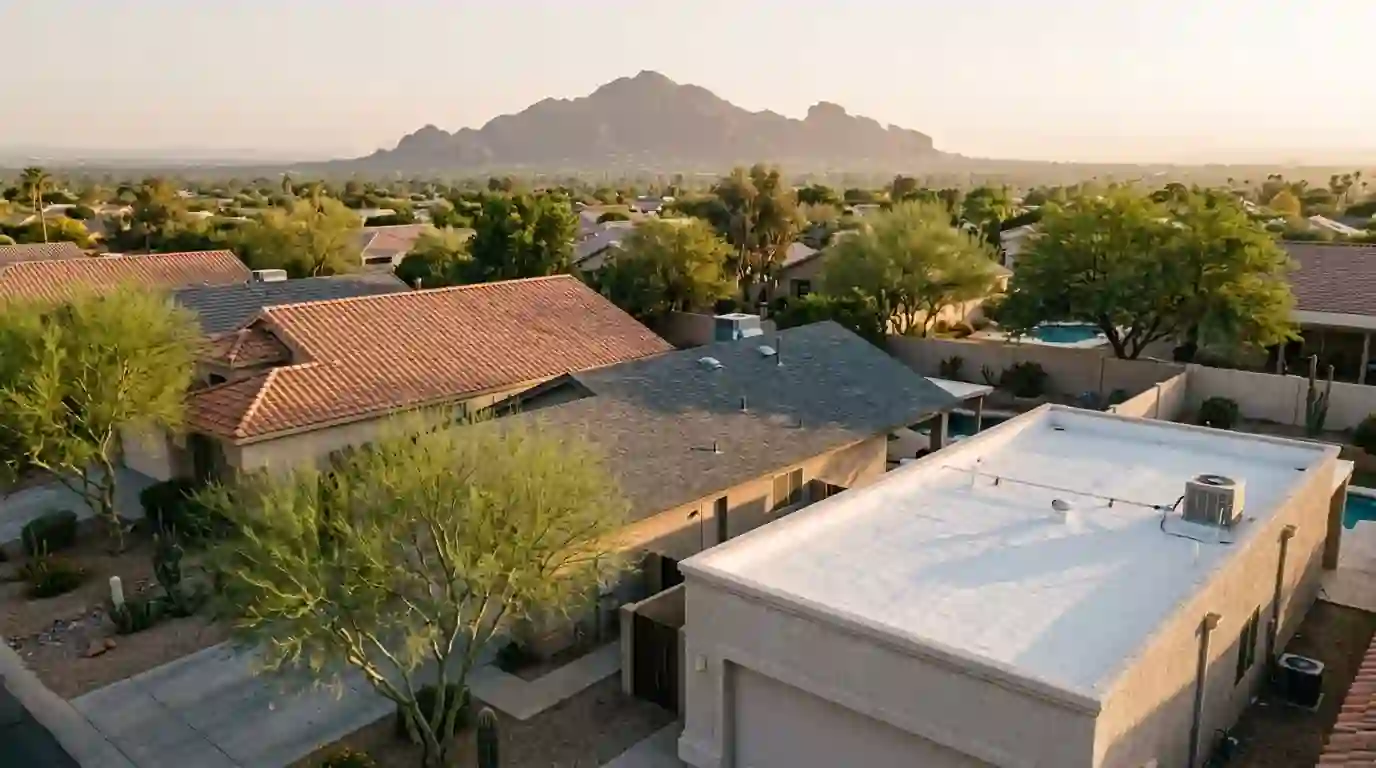
Most of the tile, shingle or foam decision gets made before anyone talks about color. A roof with a real pitch, the kind you can see from the street, can take tile or shingles. A flat or nearly flat roof, common on Pueblo Revival and territorial homes from Arcadia to Sun City, needs a material built to hold up when water sits for a few hours after a storm. Foam, built-up and membrane systems live there. Tile and shingles do not.
Plenty of Valley homes have both: a pitched tile main roof with a flat section over the family room or a low-slope patio tie-in. On those homes the real question is how the two systems meet, because that seam is where we find a large share of the leaks we chase every monsoon season.
Tile is the most common pitched roof in Phoenix for good reason. Concrete and clay shrug off UV, don't burn, and handle 150 F to 170 F surface temperatures without breaking down. The tile itself can last for decades. What it sits on is another story. The felt underlayment that actually keeps water out commonly wears out around 20 to 25 years in Valley heat, and when it goes the roof starts leaking even though every tile looks fine from the yard.
So a tile roof is really two purchases: the tile, which you often keep, and the underlayment, which you replace on a cycle. Our guide to underlayment lifespan explains how we judge where yours stands. If you are building new or replacing an old roof outright, concrete tile installation tends to be the best value for a pitched home here, with clay as the premium choice when the look matters.
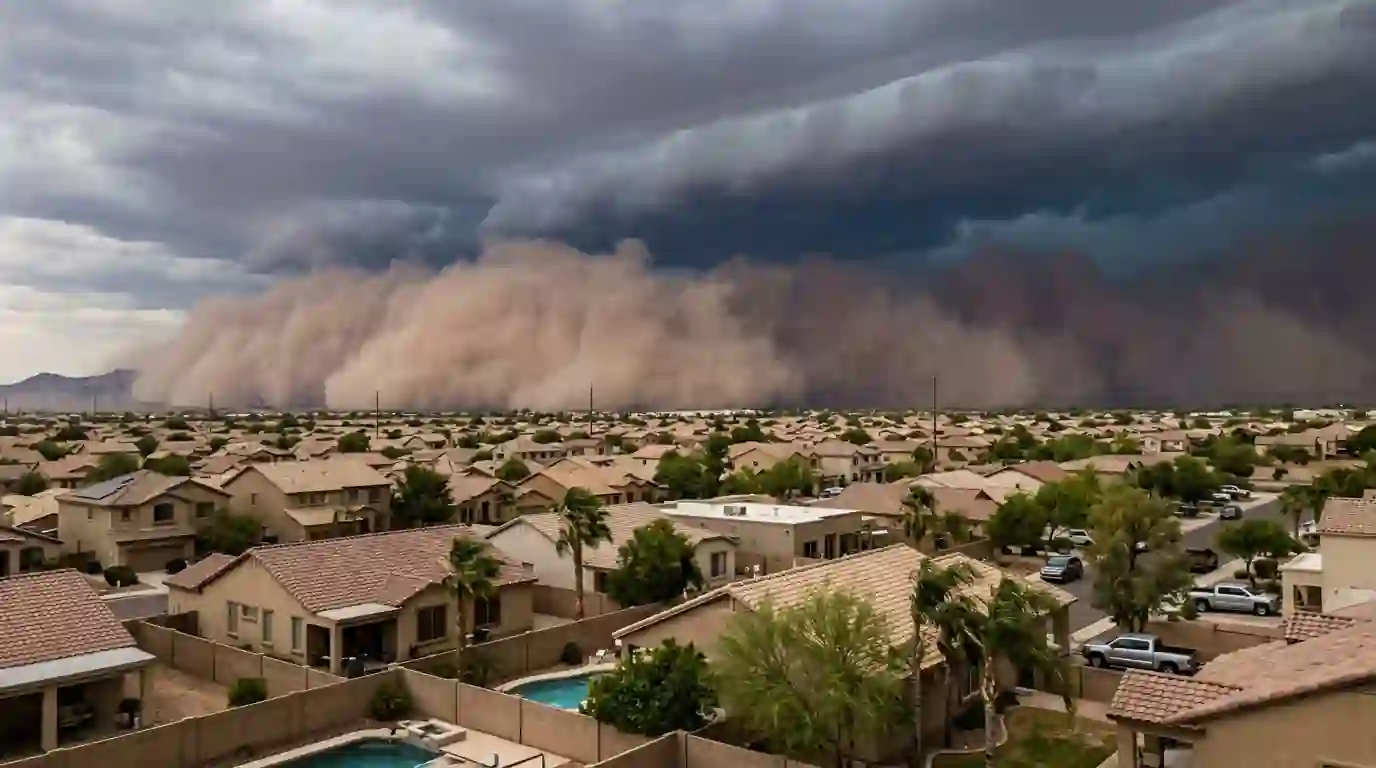
Shingles go on quickly, cost the least per square foot, and are easy to repair. They are also the material that suffers most from Phoenix sun. The granules that shield the asphalt loosen over time, the mat dries out, and edges start to curl or crack well before the age printed on the package. A shingle roof facing south or west with no shade often shows it first.
That doesn't make shingles a bad choice. On a rental, a home you plan to sell in a few years, or a steep roof where the framing was never sized for tile weight, a shingle roof can make sense. Choose a heavier architectural shingle in a lighter color, make sure the attic breathes, and expect a shorter life than you would get in a cooler state.
Sprayed polyurethane foam is applied as a liquid, rises into a continuous layer with no seams, and gets a UV coating on top. It insulates, it sheds water toward the drains when it's sloped right, and it can be renewed rather than torn off. The catch is that the coating is what protects the foam. Let it wear through and the sun starts eating the foam underneath.
That is why a foam roof comes with a maintenance rhythm: inspect it, keep the scuppers clear, and recoat every 5 to 10 years depending on the coating. Owners who keep that rhythm get a long life from one foam application. Owners who skip it end up paying to strip and respray.
Summer storms test roofs differently than heat does. On tile, strong gusts lift loose or poorly fastened pieces at the ridges and rakes, and a falling branch can crack several at once. The good news is that a broken tile is a small repair, and the underlayment beneath it keeps working for a while if it is still healthy. On an older roof with brittle felt, though, one cracked tile can let a whole afternoon of rain reach the deck.
Shingles tend to fail at the edges. Wind gets under a tab that has lost its seal in the heat, folds it back, and the next gust tears it off. Foam handles wind well because it has no seams or loose pieces, but hail can bruise the coating and blowing debris can puncture it. Any of the three can leak after a haboob drops a season of dust into the valleys and drains, so a quick check after the first big storm of the year is worth the time.
Up front cost tells only part of the story. Here is how we usually explain the trade-offs at a kitchen table, using typical 2026 Phoenix ranges for a full system on an average single-family home. Your numbers will move with roof size, pitch, access, tear-off layers and the product line you pick.
If the roof is pitched and the framing was built for tile, we nearly always lean toward tile, because it can be maintained instead of replaced. If the roof is flat, foam is usually the right call unless the building has a specific reason for a membrane. Shingles earn their place when budget or a short ownership horizon rules, or when the structure can't carry tile.
Before you settle, check your HOA rules, since many communities restrict roof material and color. Then have someone walk the roof and look at the deck, the flashings and the underlayment, not just the surface. A good material on a tired deck still fails early. Call (602) 878-3594 any hour and we will set up a time to look at yours.
Sometimes. Concrete tile weighs several times more than asphalt shingles, so the rafters and deck must be able to carry it. We check framing size and spacing first. If the structure was not built for tile, a lightweight tile or stone-coated steel can give a similar look without the load.
Foam can be sprayed thicker in low spots to build slope toward the drains, which is one of its real strengths. It will not fix a sagging deck, though. If the ponding comes from rotted sheathing or a settled structure, that has to be repaired before any foam goes down.
Yes. Lighter tile and shingle colors reflect more sun, which keeps the attic and the roof materials a little cooler through summer. Foam coatings are usually white or light tan for the same reason. Your HOA may limit the palette, so start with their approved list and pick the lightest option you like.
New concrete tile roof for your Phoenix home: two-ply underlayment, raised battens, bird stops and HOA-approved colors. Call (602) 878-3594 any time.
Learn moreAsphalt shingle roofs for Phoenix homes, chosen and vented for 160 F roof decks: cool-rated colors, sealed ridges, solid nailing. Call (602) 878-3594.
Learn moreSpray foam roofing for flat and low-slope Phoenix homes: one continuous insulating layer sloped to drain, with a UV top coat. Call (602) 878-3594 24/7.
Learn moreFull roof replacement in Phoenix for tile, shingle, foam and metal: tear-off decisions, permits, deck repair and clean job sites. Call (602) 878-3594.
Learn more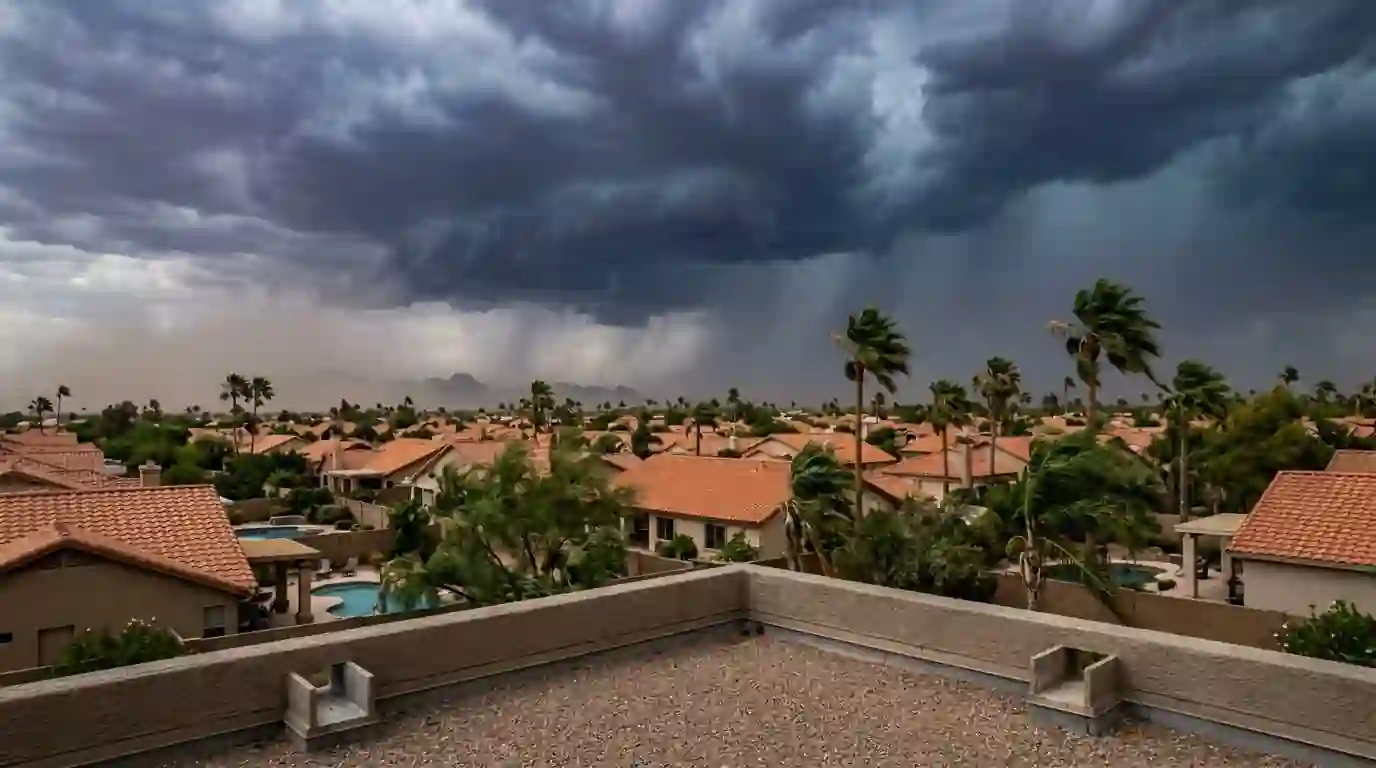
June 9, 2026
Monsoon storms bring wind, dust, hail and sudden downpours. This checklist covers what to look at on your roof before mid June and what to leave to a roofer.
Read the guide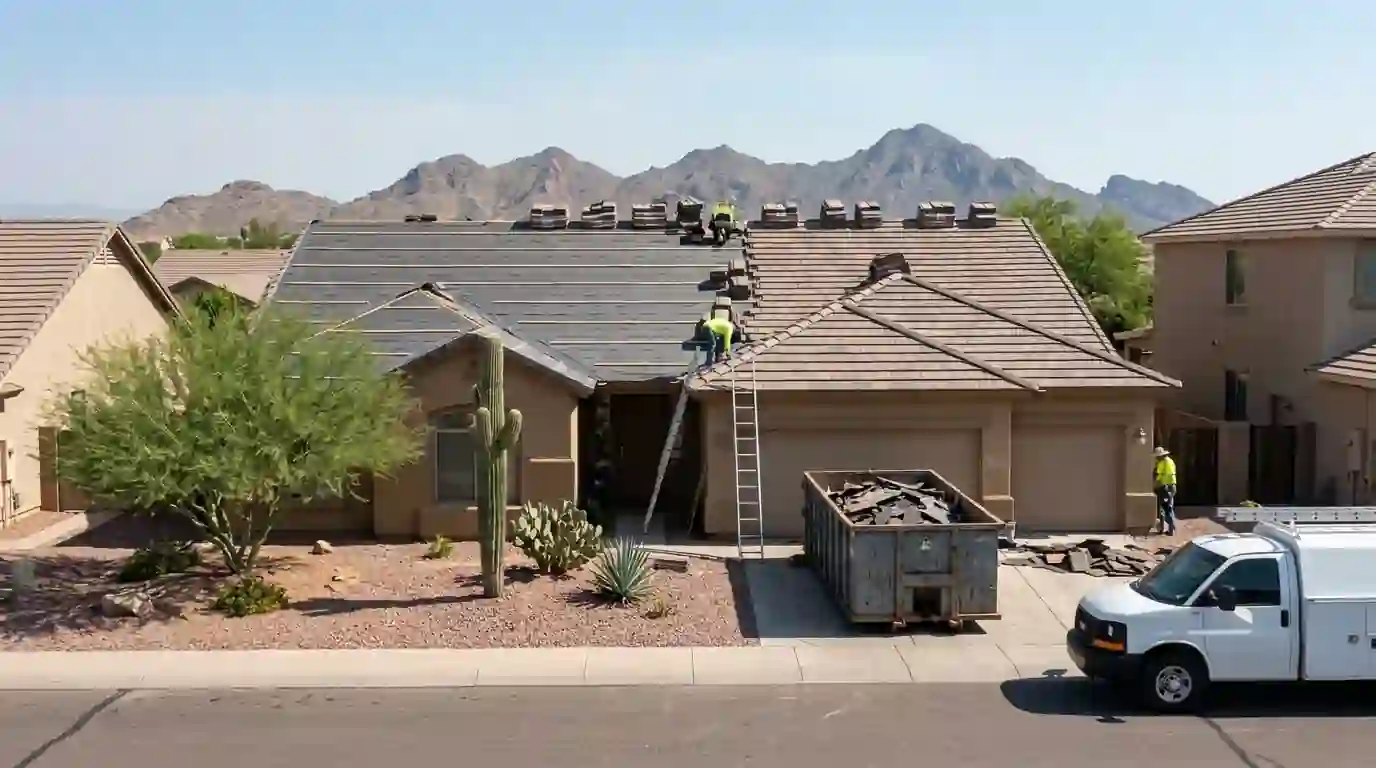
July 14, 2026
Roof replacement prices in the Valley vary a lot by material, roof size and what's under the old roof. Here are realistic 2026 ranges and what drives them.
Read the guide
August 4, 2026
Most Valley neighborhoods with an HOA want to see your roof plans before work starts. Here is what architectural review committees usually ask for and how to get through it without losing weeks.
Read the guideCall (602) 878-3594. We answer around the clock and can usually tell you over the phone whether it needs a visit.