Elastomeric Roof Coating
Acrylic elastomeric roof coating for Phoenix flat, foam and metal roofs: bright white, flexible in heat, fairly priced. Call (602) 878-3594 any time.
Learn moreRoof Repair
Tile Roofing
Flat & Foam Roofing
Shingle & Metal Roofing
Replacement & Inspections
Solar, Vents & Extras
Phoenix neighborhoods
Valley cities
Counties
Desert Roof Guide
Product data sheets throw around reflectance, emittance and SRI as if everyone knows what they mean. Here is what each number measures and how to use them when choosing a roof.
By Lamar Baskin, Desert Roof Guide EditorUpdated October 16, 20266 min read
The short version
Cool roof ratings describe how a roof surface handles the sun. Solar reflectance is the share of sunlight it bounces away. Thermal emittance is how readily it releases the heat it does absorb. The Solar Reflectance Index, or SRI, blends both into one number, where higher means a cooler surface. The Cool Roof Rating Council publishes tested values, including aged ones, and ENERGY STAR has listed qualifying products.
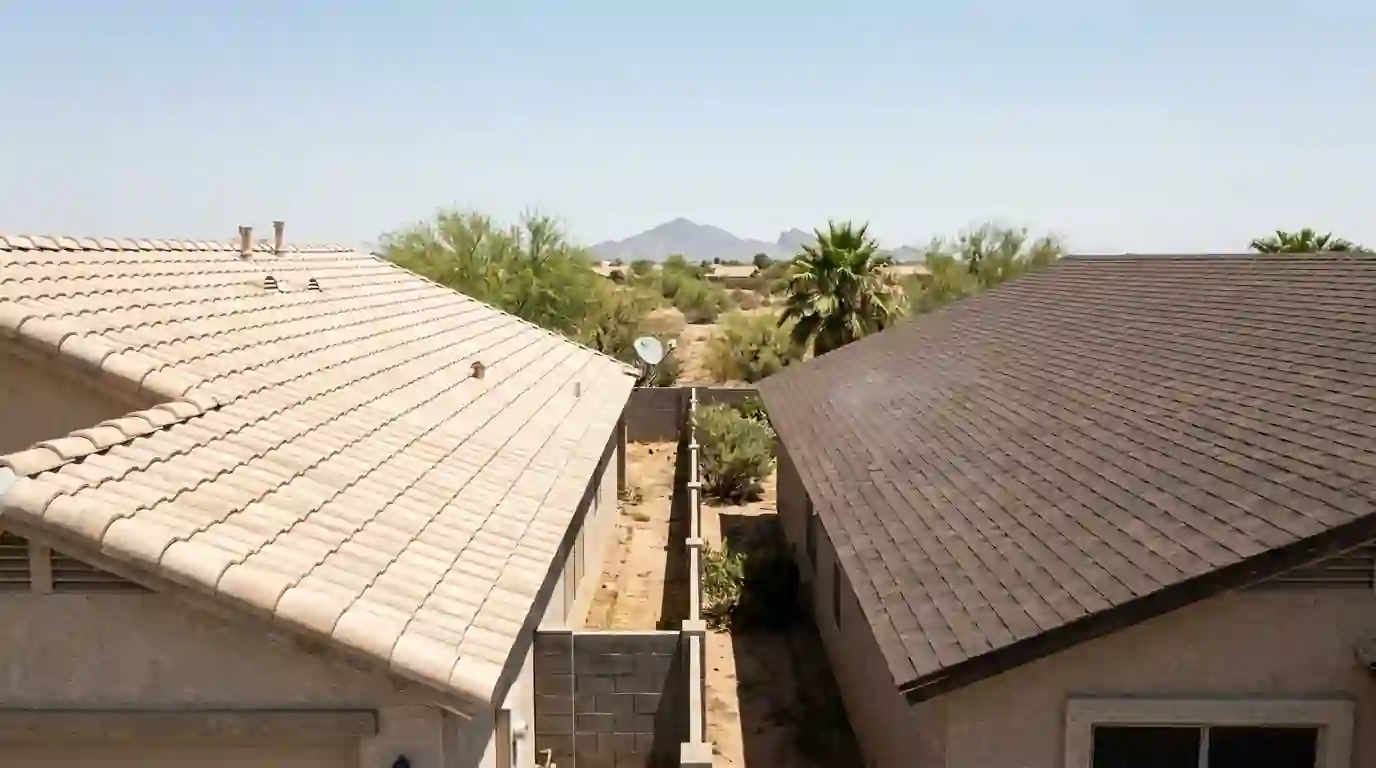
On a July afternoon in Phoenix, a dark roof can run 150 F to 170 F while the air sits around 110 F. Some of that heat works its way down into the attic, the ducts and the rooms below. A roof surface that stays cooler sends less heat down and ages more slowly, since heat and UV are what break most roofing materials down over time.
Two shingles or two tiles can look nearly the same color and still behave differently in the sun. Ratings exist so you don't have to guess. They come from standardized tests on the product surface, which means you can compare one maker's tile or coating against another's using the same yardstick instead of brochure adjectives.
Solar reflectance is the share of incoming sunlight a surface reflects instead of absorbing. It is written as a number between 0 and 1, or as a percentage. On that scale, a surface at 0.8 reflects about 80 percent of the sunlight that hits it, while one near 0.1 absorbs most of it and gets hot. Bright white coatings and membranes sit near the top of the scale, and dark asphalt shingles sit near the bottom.
Sunlight is more than what your eye sees. A large part of the sun's energy arrives as near-infrared light, which is invisible. That is why some tile and shingle colors use so-called cool pigments: they look like a mid-tone brown or gray but reflect more infrared than an ordinary pigment of the same shade. Color gives a hint, but the rating tells you what the surface actually does.
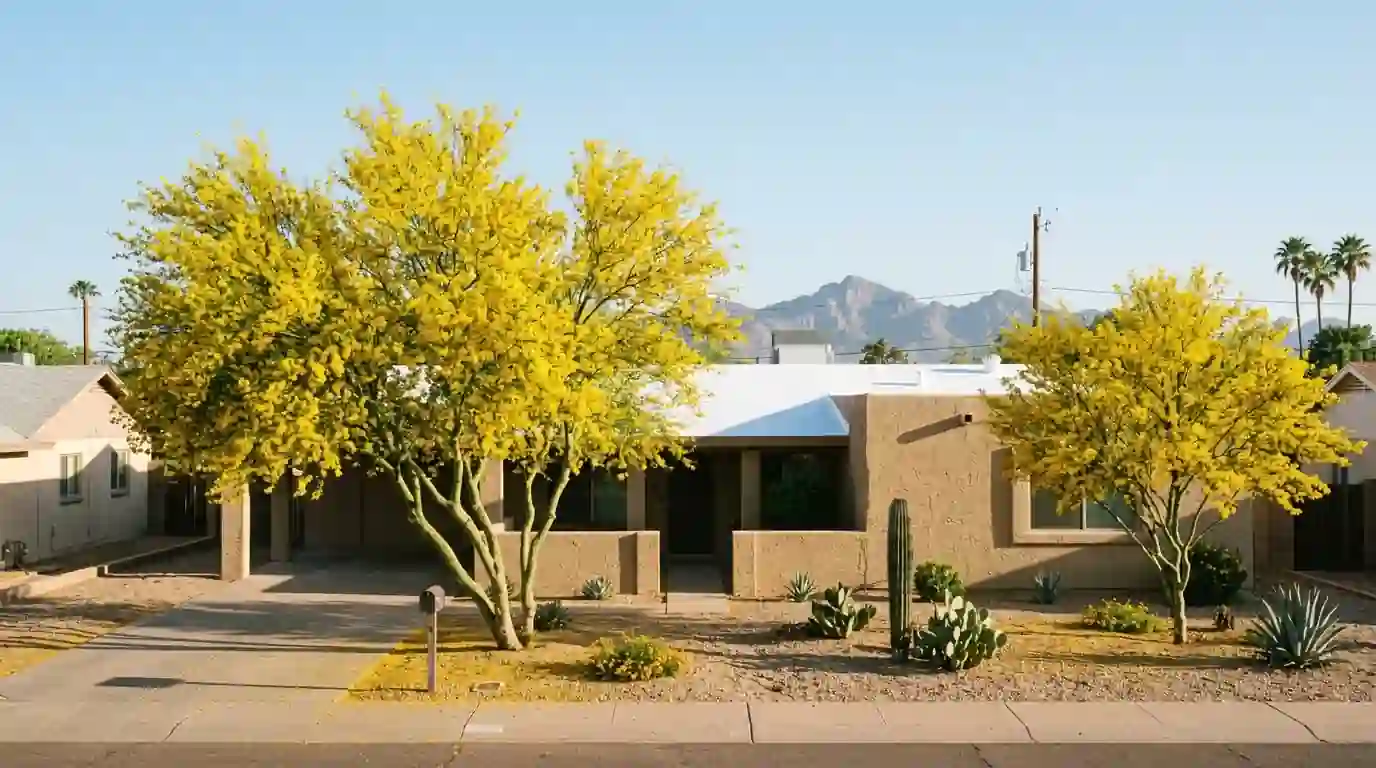
No roof reflects everything. The sunlight it absorbs turns into heat, and thermal emittance measures how readily the surface gives that heat back off as infrared radiation. It also runs from 0 to 1. A high number means the surface sheds heat quickly and cools down faster once the sun moves off it, which matters on summer evenings when the attic is still soaking up warmth.
Most roofing surfaces, including tile, shingles, coatings and painted metal, have fairly high emittance. The big exception is bare, shiny metal such as unpainted galvanized steel or aluminum. It can reflect plenty of sunlight yet hold on to the heat it absorbs, so it runs hotter than its shine suggests. That's one reason painted or coated panels usually beat bare metal in the desert, and why the finish on a metal roof matters as much as the panel.
The Solar Reflectance Index rolls reflectance and emittance into a single score that predicts how hot a surface will get in the sun compared with two reference surfaces. A standard black surface is set at 0 and a standard white surface at 100. Very bright, high-emittance materials can score above 100, and very dark or low-emittance ones can fall below 0.
SRI is handy for quick comparisons, especially between different kinds of products. Its limit is that it's calculated under fixed assumptions about sun, wind and air temperature, not measured on your roof on a given day. Use it to rank options, not to forecast your power bill. Our earlier piece on what reflective coatings do for cooling bills explains why savings swing so much from house to house.
Two names show up on most data sheets. The Cool Roof Rating Council is an independent nonprofit that runs a rating program for roofing products. Manufacturers submit products, accredited labs test them, and the council publishes the results in a searchable list of rated products, showing initial values and values after three years of outdoor weathering. ENERGY STAR, the EPA program, has also published lists of reflective roof products that met its criteria. Its roof listings have changed over the years, so check what is current before leaning on an ENERGY STAR mention in an older data sheet.
A product with no published rating isn't necessarily hot. It may simply never have been submitted, which leaves you comparing it blind. When you look a product up, these habits keep the comparison honest:
Initial ratings describe a clean, brand-new surface. Phoenix roofs don't stay that way. Dust settles daily, haboobs drop a layer of grit across whole neighborhoods, and the sun works on pigments and coatings every afternoon. White surfaces in particular lose some brightness as dirt builds up, and the three-year aged value captures that drop in a way the initial value can't.
Weathering at a test site still isn't the same as your roof downwind of a dirt lot or a busy freeway, so treat even the aged figure as a guide. Still, a product that keeps most of its reflectance after weathering will usually serve better here than one that starts higher and fades fast. On flat roofs, a gentle rinse during routine care brings back much of what dust takes, which matters even more on silicone-coated flat roofs, since silicone holds onto dirt.
On flat foam and membrane roofs, the coating or membrane color decides almost everything, and white products rate very high. On tile, ratings help you compare colors inside the palette your HOA allows, and lighter or cool-pigment tiles score better. Tile also gets help a rating can't show: the air space between the tile and the deck carries heat away, which is part of why concrete tile roofs stay cooler underneath than their color alone suggests.
Shingles are where ratings vary most, because standard dark shingles absorb so much sun. If you're choosing shingles, ask for rated cool colors and compare aged SRI. Whatever the roof, ratings work alongside attic insulation and ventilation, not in place of them. For a straight answer on what fits your house and your HOA list, call (602) 878-3594 at any hour.
Weathering. Dirt, dust, sun exposure and sometimes biological growth dull a surface over time, so tested samples are left outdoors for three years and measured again. In the dusty Valley that aged figure is the more realistic one to compare, and products differ quite a bit in how much reflectance they lose.
Yes. Many tile makers submit their colors for rating, and results are listed by color rather than by product line. Lighter colors usually score higher, while some darker shades use reflective pigments to narrow the gap. Ask for the rating of the exact color you're considering, and check that it also appears on your HOA's approved list.
Not automatically. A very high SRI usually means bright white, which suits flat roofs but may not be allowed on a visible pitched roof by your HOA. Compare aged SRI among the products you can actually install, then weigh durability, appearance and cost. The best choice is the highest-rated option that also fits the roof and the rules.
Acrylic elastomeric roof coating for Phoenix flat, foam and metal roofs: bright white, flexible in heat, fairly priced. Call (602) 878-3594 any time.
Learn moreSilicone roof coating for Phoenix flat roofs that pond or bake: holds up to standing water and UV over foam, TPO and metal. Call (602) 878-3594 any hour.
Learn moreNew concrete tile roof for your Phoenix home: two-ply underlayment, raised battens, bird stops and HOA-approved colors. Call (602) 878-3594 any time.
Learn morePhoenix attics can top 140 F to 150 F in summer. We balance intake and exhaust vents and add radiant barrier to cut heat load. Call (602) 878-3594.
Learn more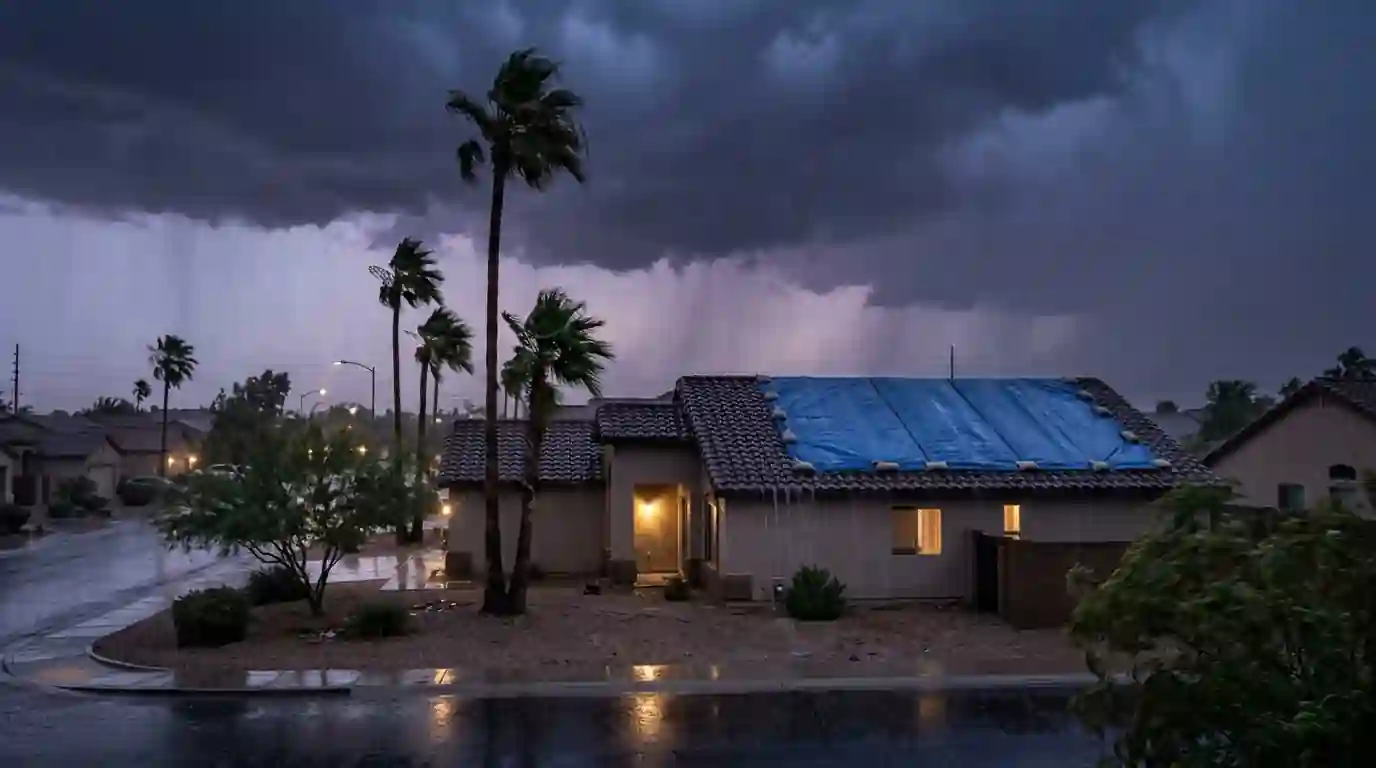
September 8, 2026
Water dripping through the ceiling at 10 at night is stressful. Here is a calm, hour-by-hour plan for Phoenix homeowners, from the first bucket to the permanent repair.
Read the guide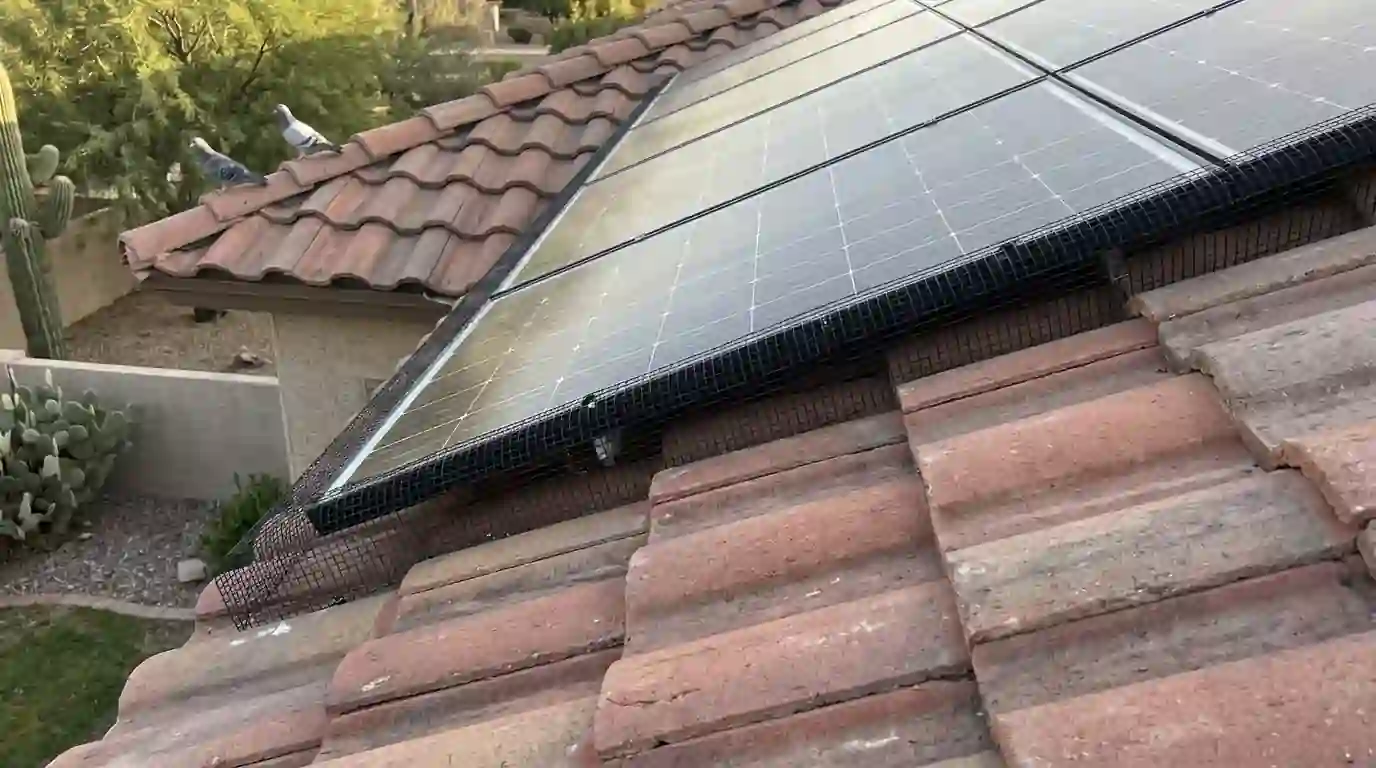
September 22, 2026
Cooing at dawn, droppings on the patio and twigs poking out from the array. Pigeons love Valley solar panels. Here is why, what it does to your roof and how to close the gap.
Read the guide
October 6, 2026
A roof certification can tell a Phoenix home buyer how many good years the roof has left. Here is what one includes, where its limits are and how to use it in a deal.
Read the guideCall (602) 878-3594. We answer around the clock and can usually tell you over the phone whether it needs a visit.