Foam Roof Recoating
Foam roof turning brown, blistered or pecked in Phoenix? We clean, patch and recoat before UV eats the foam. Call (602) 878-3594 any hour to set a visit.
Learn moreRoof Repair
Tile Roofing
Flat & Foam Roofing
Shingle & Metal Roofing
Replacement & Inspections
Solar, Vents & Extras
Phoenix neighborhoods
Valley cities
Counties
Desert Roof Guide
A foam roof can last decades in Phoenix, but only if its coating is renewed every 5 to 10 years. Here's how to read the surface and time the next recoat.
By Lamar Baskin, Desert Roof Guide EditorUpdated June 2, 20266 min read
The short version
Most foam roofs in Phoenix need recoating every 5 to 10 years, depending on the coating type and thickness. Acrylic coatings sit toward the shorter end, while silicone and thicker systems tend to last longer. The time to recoat is when the coating has worn thin enough that foam starts to show, not after the foam itself has started breaking down. Timely recoats keep the foam itself working for decades.
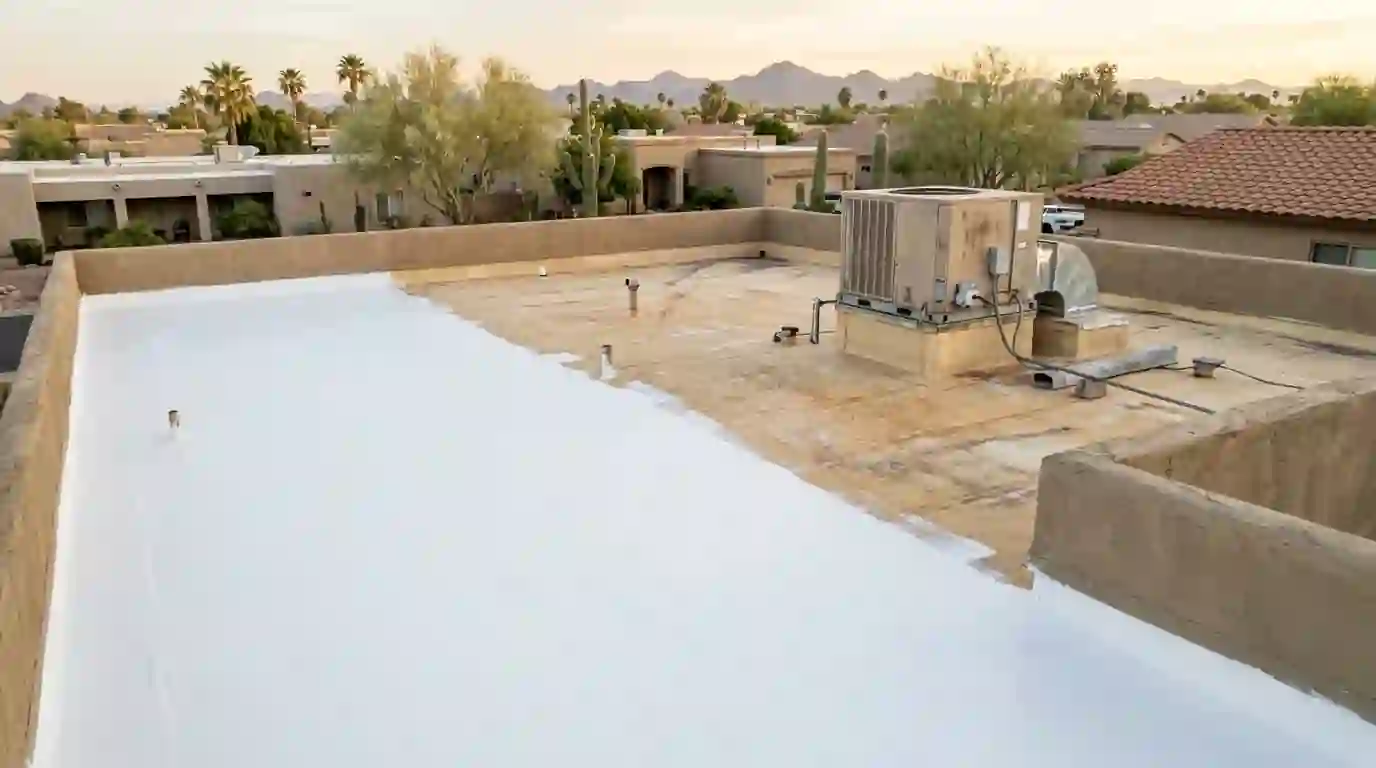
Spray polyurethane foam, usually called SPF or just foam, is an excellent roof for Phoenix. It's sprayed as a liquid, expands into a solid, continuous layer with no seams that insulates well, and can be sloped to drain. But foam has one big weakness: UV light breaks it down. Left bare in Valley sun, the surface turns brown and powdery and erodes away a little more each year.
The coating is what protects it. An elastomeric layer, usually white or light tan, blocks UV, reflects heat and seals the surface. The coating is meant to wear slowly and be renewed, a bit like paint on a house exterior. As long as it's renewed on time, the foam beneath can keep working for a long time. If the coating is allowed to wear through, the foam starts eroding and the repair gets much bigger.
The 5 to 10 year range is wide because coatings differ. Thickness matters as much as type: a heavier application of the same product lasts longer than a thin one. Flat roofs that hold small puddles after storms wear faster in those spots, and roofs with lots of foot traffic around AC units and solar wear faster near the equipment.
Use these as starting points, then let an inspection tell you where your roof actually stands.
The surface tells you most of what you need to know. A healthy coating is smooth, intact and uniform in color. As it wears, it chalks, so your finger comes away white when you rub it. Then it thins, and you start seeing the tan or yellow foam showing through, first on the high points of the texture. That's the signal to schedule a recoat soon.
Past that point, the signs get more serious: brown, crumbly foam where the coating is gone, small pits and holes from birds pecking at exposed foam, blisters, and cracks in the coating around equipment curbs and the parapet edge. A roof inspection measures coating thickness in several spots and notes damage you might not see from a ladder.
A recoat is not just painting the roof. We power wash the surface to remove dust, chalk and loose material, which takes time in a city with frequent dust storms. Then we repair damage: cutting out blistered or wet foam, filling bird pecks and patching low spots with new foam. Seams, curbs and penetrations get reinforced. Only after that does the new coating go on, applied to the thickness the product calls for, often in two coats.
Timing matters here. Coatings need dry weather and reasonable temperatures to cure properly, so we avoid monsoon afternoons and the hottest stretch of summer when we can. Spring and fall are ideal. A typical home recoat takes one to three days, depending on roof size, repairs and how long each coat needs to cure before the next. Our foam roof recoating page covers the steps and choices in more detail, and our silicone roof coating page explains when silicone is the better pick.
Here's the math that matters. A recoat on a foam roof in good condition is a fraction of what a new foam roof costs. Once UV has eroded the foam, though, the damaged foam has to be removed and replaced before any coating goes on. On a roof left uncoated for several years, that can mean stripping and respraying large sections, which costs far more than a timely recoat would have.
Exposed foam also absorbs water through bird damage and cracks. Wet foam under a new coating can blister and peel, so it has to come out. If your foam roof is past 15 years without a recoat, have it checked before monsoon season. If it's too far gone, a new foam system sprayed over a clean surface may be the better long-term answer.
Leaks are the other hidden cost. A worn foam roof often leaks first at the edges, around scuppers and at AC curbs, and the water can travel inside the roof before showing up on a ceiling. By the time a stain appears, insulation and drywall may need replacing too, which adds to a bill that a recoat a few years earlier would have avoided.
For most Phoenix homes and small commercial buildings, the routine is simple. Have the roof checked every year or two, ideally in spring, and after any severe monsoon or hail storm. Keep drains and scuppers clear so water doesn't sit. Limit foot traffic, and when technicians service AC units, ask them to stay on walk pads. Plan your recoat for the window when the coating is thin but still intact.
It helps to keep a simple record: the date of the last coating, the product used and who applied it. That record makes the next inspection quicker and tells the next crew what the new coating has to bond to. If you're buying a home with a foam roof, ask the seller for that history, and if nobody has it, treat the roof as due for a thorough check.
If you're not sure when the roof was last coated, a thickness check answers that. Call (602) 878-3594 and we'll look at the surface, tell you roughly how many years you have before the next recoat, and point out anything that should be fixed sooner.
Yes, silicone can usually go over a properly cleaned and primed acrylic surface. The catch is that once a roof is coated in silicone, future recoats generally need to be silicone too, because most other coatings won't bond well to it. We go over that tradeoff with you before choosing a product for the recoat.
Those are usually bird pecks. Birds pick at exposed or thinly coated foam, sometimes looking for insects. They're a sign the coating is worn and the foam is vulnerable. Each hole lets water and UV into the foam, so they need to be filled and sealed during the next recoat, ideally before monsoon season.
A clean, light-colored coating reflects much more sunlight than one that's chalked, dusty or worn thin. That keeps the roof surface cooler and reduces the heat moving down into the building. Foam itself insulates well, so the biggest gains come from keeping the coating fresh rather than letting it wear down to the foam.
Foam roof turning brown, blistered or pecked in Phoenix? We clean, patch and recoat before UV eats the foam. Call (602) 878-3594 any hour to set a visit.
Learn moreSpray foam roofing for flat and low-slope Phoenix homes: one continuous insulating layer sloped to drain, with a UV top coat. Call (602) 878-3594 24/7.
Learn moreSilicone roof coating for Phoenix flat roofs that pond or bake: holds up to standing water and UV over foam, TPO and metal. Call (602) 878-3594 any hour.
Learn more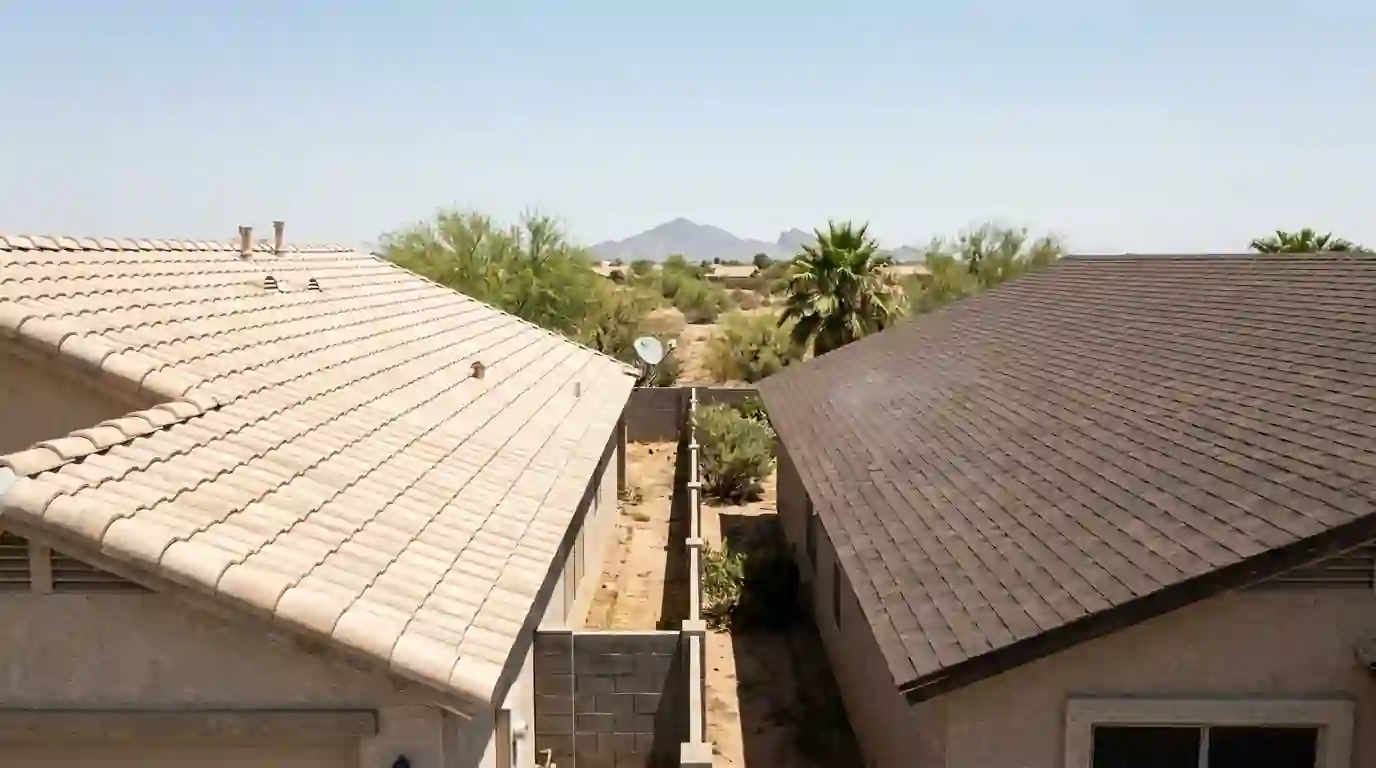
October 16, 2026
Product data sheets throw around reflectance, emittance and SRI as if everyone knows what they mean. Here is what each number measures and how to use them when choosing a roof.
Read the guide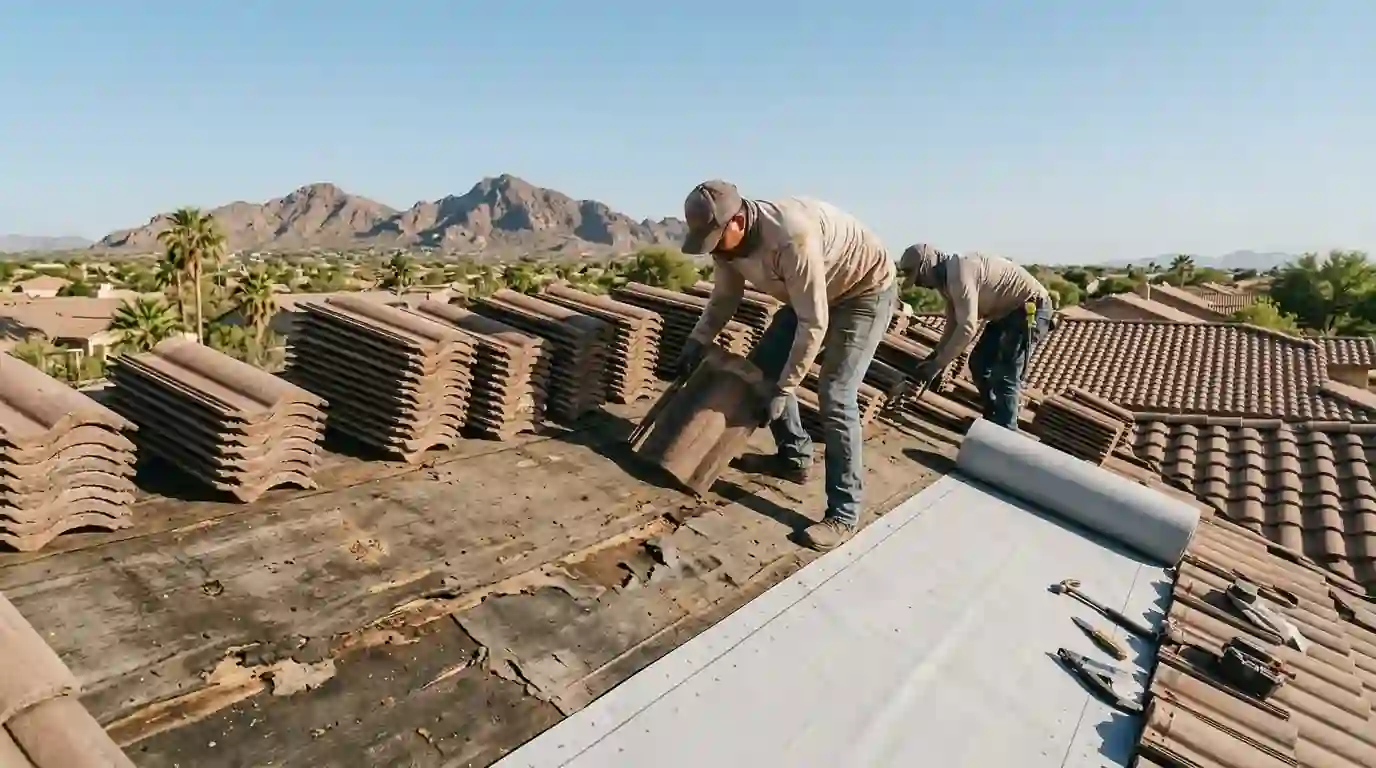
May 11, 2026
Concrete and clay tile can outlast the house, but the felt under it usually gives out around 20 to 25 years in Valley heat. Here's how to read the signs and plan ahead.
Read the guide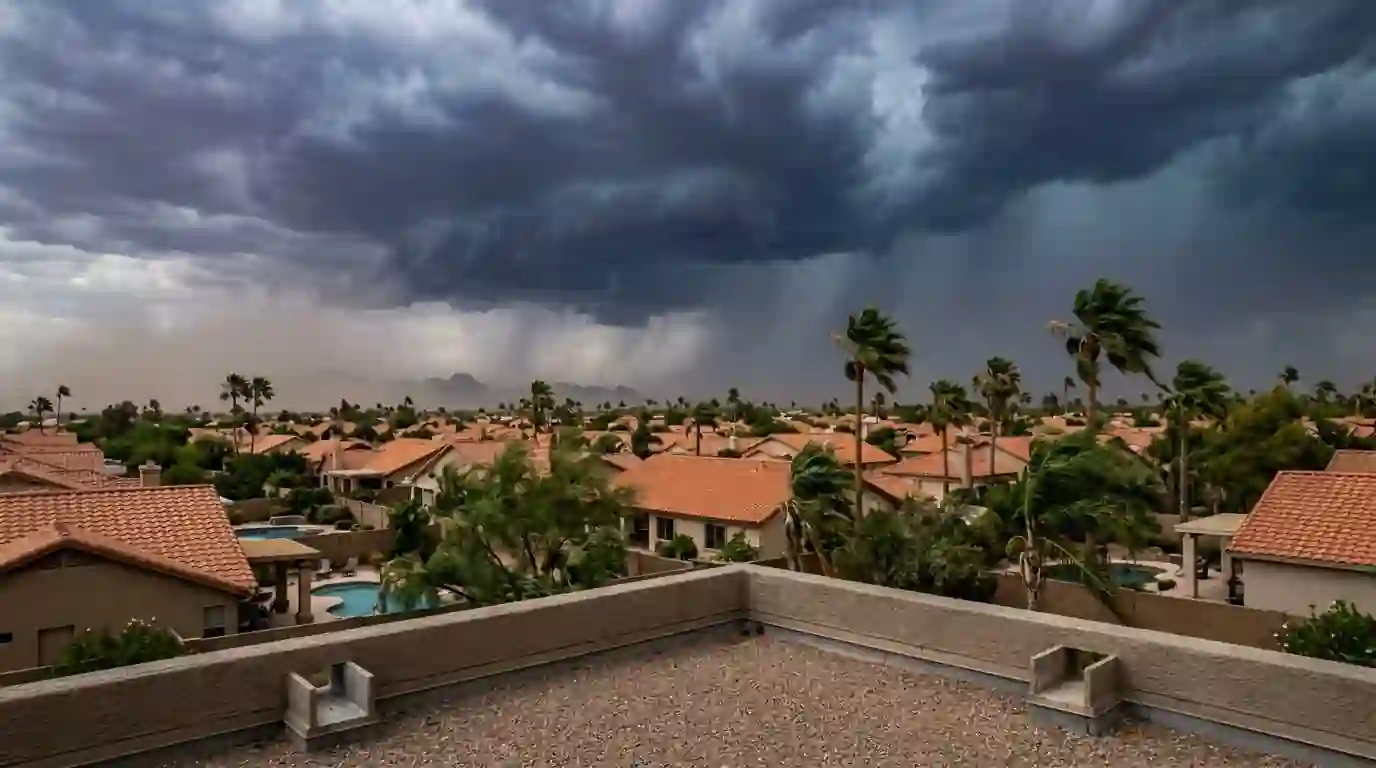
June 9, 2026
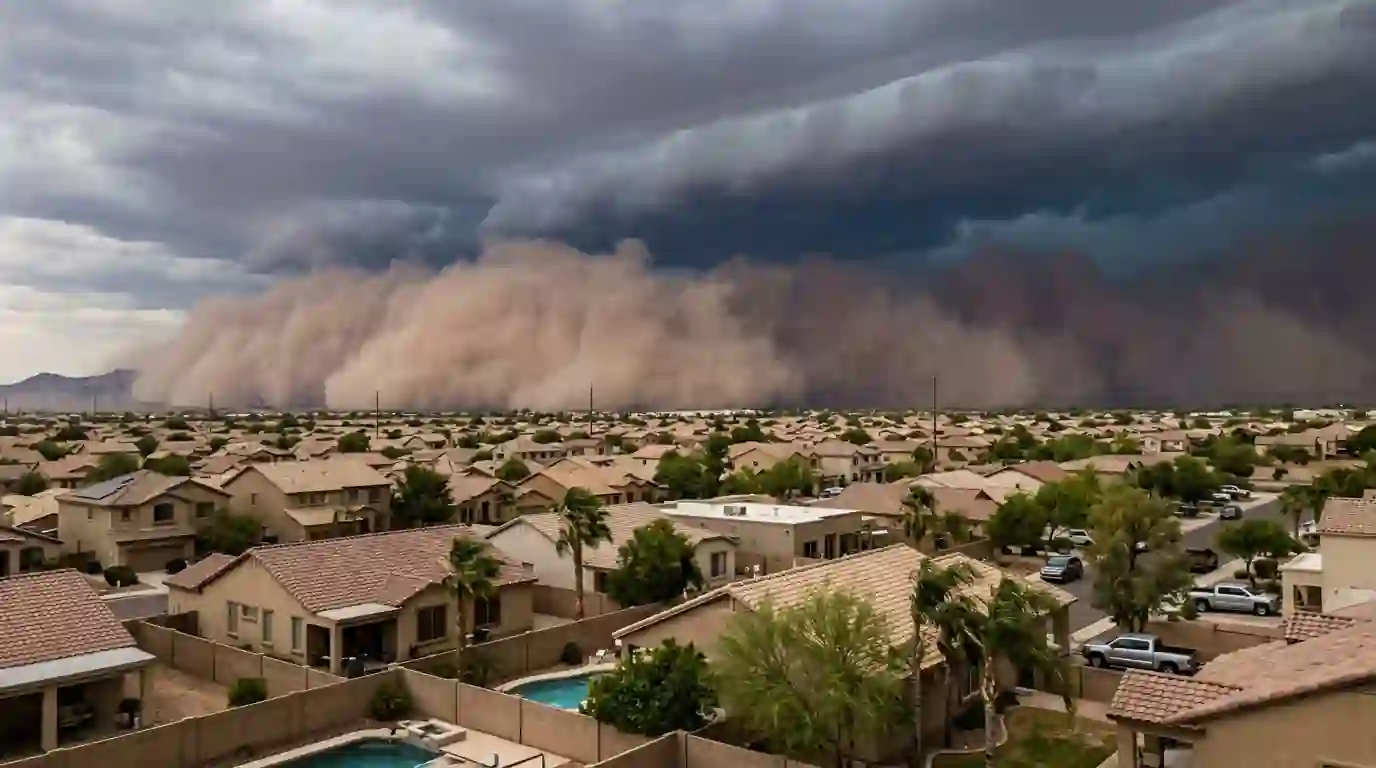
Monsoon storms bring wind, dust, hail and sudden downpours. This checklist covers what to look at on your roof before mid June and what to leave to a roofer.
Read the guideCall (602) 878-3594. We answer around the clock and can usually tell you over the phone whether it needs a visit.